
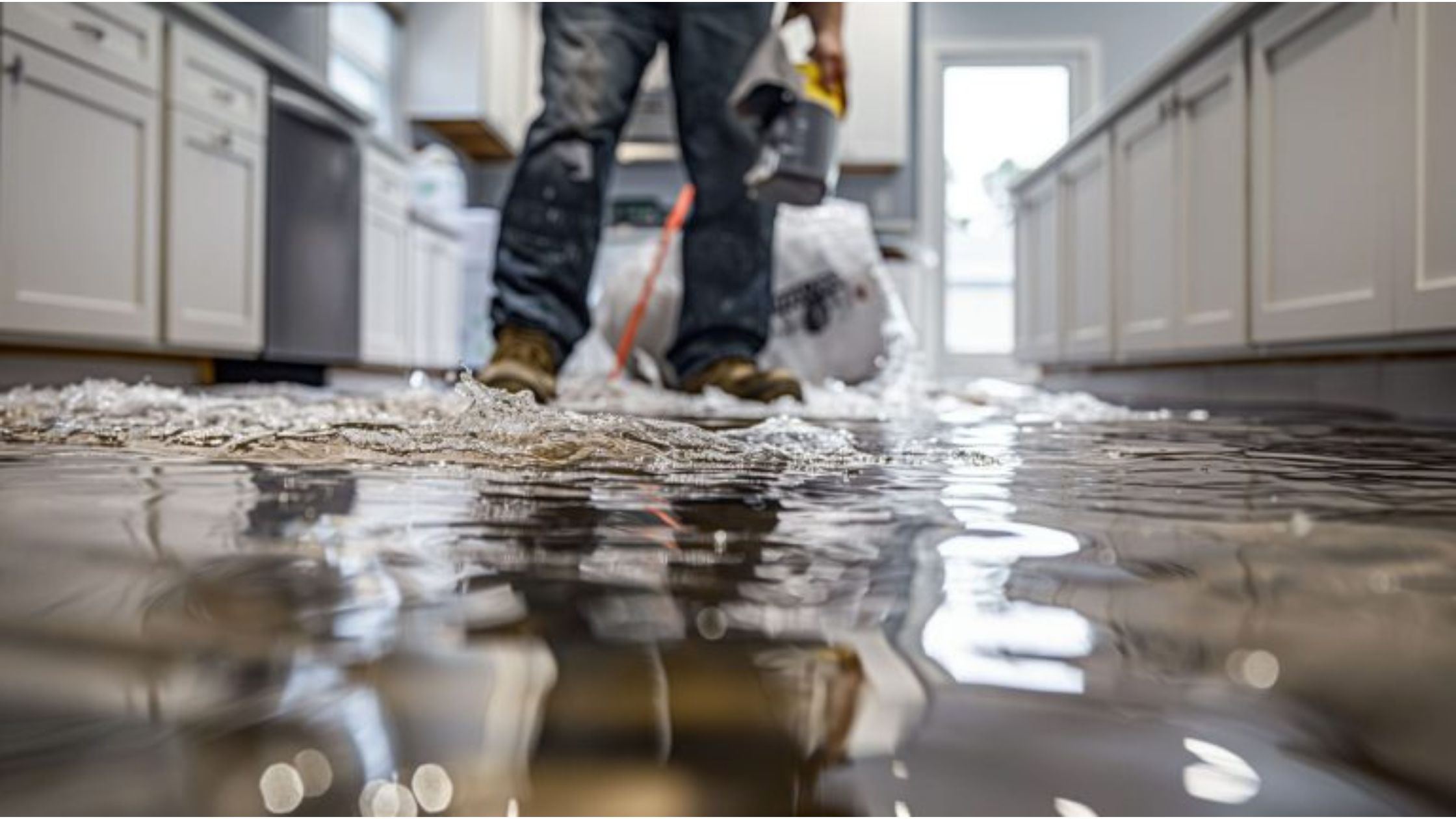
When water damage hits your home in Monterey, it can feel overwhelming but taking immediate, focused action can save you time, money, and stress. If you’re staring at soaked floors, damaged drywall, or the aftermath of a burst pipe, initiating effective water damage mitigation Monterey is the key to regaining control. In this post, we’ll walk you through how to respond smartly and efficiently, from emergency measures through to full drying and restoration, so you can protect your home and your peace of mind.
Why should you act quickly after water damage in Monterey?
When you begin water damage mitigation Monterey, you’re acting to stop ongoing damage to your property, your belongings, and your health. Water intrusion may seem harmless at first—perhaps just a leak or minor flooding but it can quickly escalate. In regions like Monterey County, moisture in walls, floors and ceilings fosters mold growth, structural weakening, and health hazards that are avoidable.
The coastal and temperate climate of the Monterey Bay area further influences the drying process: damp air and proximity to moisture sources can complicate drying unless action is prompt and precise. By acting swiftly you prevent issues like warping floorboards, corroding structures, and potential insurance complications.
What are the first steps you should take right away?
1. Ensure safety and stop the source
Before doing anything else, make sure the situation is safe. Turn off electricity in affected zones if water affects outlets or wiring. If a burst pipe or appliance is the cause, shut off the water supply to prevent further flooding. This is part of emergency water mitigation Monterey and sets the stage for effective recovery.
2. Remove or protect belongings
While you arrange professional help, move furniture, rugs and valuables out of the wet area or elevate them on blocks. If items can be dried, isolate and protect them. The faster you separate salvageable items from standing water, the more you reduce loss of property and cost to restore.
3. Document everything
Use your phone or camera to photograph the damage, wet walls, saturated carpets, standing water, and the source of the leak. These records are important for insurance claims and for professionals providing a proper estimate.
4. Contact a professional mitigation company
Even if the visible damage seems moderate, certified mitigation experts bring industrial-grade equipment, moisture detection tools and experience to ensure drying is complete and hidden damage is addressed. In the Monterey region, many companies emphasise 24/7 response and prompt mitigation to avoid long-term damage.
How do professionals classify water damage in Monterey?
When your home has water intrusion, professionals classify the event by type, category and class. These classifications guide the methods and urgency of mitigation.
Types of water and contamination levels
- Clean water (Category 1) – from burst supply pipes, clean sink overflows. While less risky initially, it can become contaminated.
- Grey water (Category 2) – from dishwashers, washing machines, some appliance leaks. Contains chemical and biological contaminants.
- Black water (Category 3) – sewage backup, floodwaters, or water that has sat and become contaminated. Requires the highest level of care.
Classes of damage (based on scope)
- Class 1: Minimum moisture absorption, small area.
- Class 2: Affects the entire room of carpet and cushions, or entire walls.
- Class 3: Greatest amount of water, possibly ceiling, walls, insulation saturated.
- Class 4: Specialty drying situations such as hardwood, plaster, concrete where water is deeply trapped.
Understanding these classifications helps you recognise why the process may take hours, days or even longer depending on severity.
What tools and methods are used during mitigation?
Extraction and removal
The first active stage of water damage mitigation in Monterey involves water extraction using pumps and wet-vacuum devices. Removing standing water reduces saturation and sets up the environment for effective drying.
Drying and dehumidification
Once water is removed, professional equipment like air movers and dehumidifiers are used to remove moisture from building materials. Moisture meters and infrared cameras help validate when materials are truly dry.
Cleaning, sanitising and monitoring
Cleaning surfaces, sanitising contents, and monitoring for hidden moisture or mold growth are critical steps. In Monterey’s coastal climate, preventing mold and mildew is especially important.
Restoration planning
After drying and sanitising, a restoration plan is devised, repairing or replacing drywall, flooring, insulation and other materials. Some companies differentiate between mitigation (the immediate action) and restoration (the rebuild) which is clearly outlined in local expert services.
How can you recognise hidden damage and the need for full mitigation?
Minor leaks, damp patches, musty odours or peeling paint might seem like small issues—but they can be signs of more serious underlying problems. For example, water that has seeped behind walls or under flooring may cause structural wood rot, warp framing or fuel rapid mold growth. Delayed action increases the chances of requiring full restoration rather than simple drying.
An expert responding to your call will inspect not just visible damage, but also hidden areas: behind baseboards, under flooring, inside plumbing chases. They’ll document conditions and develop a plan tailored to your home’s construction and the specific water event.
What should homeowners in Monterey expect during the mitigation process?
Initial assessment and scope definition
A trained technician arrives to inspect and document the damage. They determine the category and class, identify the water source, note what materials are affected, and outline the equipment and manpower required.
Extraction and debris removal
Furniture, carpets or drywall that cannot be salvaged are removed. Extraction equipment is deployed. Standing water is removed, and protective tarp or containment may be installed in contaminated zones (especially in grey or black water events).
Drying and monitoring
Air movers and dehumidifiers run for as long as necessary—often 24+ hours depending on conditions. The technician uses moisture meters to monitor progress daily until materials reach acceptable dryness levels.
Cleaning and disinfecting
Once dried, surfaces are cleaned and sanitised. In contaminated water events, antimicrobial agents may be applied. Odour control may be performed. The environment is monitored until safe for reconstruction.
Hand-off to restoration
When mitigation is complete, i.e., all moisture has been removed, mold risk is addressed, the project transitions to restoration: rebuilding walls, replacing flooring, painting and finishing the home.
Below is a simple table summarising typical timeframes and expectations:
| Stage | Typical timeframe | Homeowner action required |
| Initial assessment & set-up | 1–2 hours | Provide access, turn off utilities |
| Extraction & structural drying | 1–2 days or more | Remove contents, document damage |
| Dehumidification & monitoring | 24-72+ hours | Clear zones, limit traffic |
| Cleaning & sanitising | After drying | Confirm completed tasks |
| Restoration preparation | Upon dry completion | Schedule rebuild work |
What specific local factors affect mitigation in Monterey?
Living in the Monterey Peninsula region brings unique environmental factors into play. Coastal humidity, frequent fog, and historical building stock mean that drying can be slower and more complex than in drier inland regions. Older homes may have layered flooring, hidden cavities, or materials unfamiliar to modern best-practice drying methods.
Also, many insurance providers expect homeowners in this region to act fast to document and mitigate damage or risk denial of secondary damage costs such as mold or structural rot. The expert local services emphasise 24/7 response capability to match coastal weather risks and variable plumbing systems.
How can you prevent further damage and future events?
Regular plumbing inspection
A large number of water damage events stem from burst pipes, aging appliances or slow leaks behind walls. Engage a qualified plumber annually to inspect and maintain your home’s plumbing system.
Manage humidity and drainage
Use dehumidifiers in basements or crawl spaces. Ensure gutters and downspouts divert water away from home foundations. Coastal homes especially benefit from consistent drainage maintenance.
Know the warning signs
Watch for discolouration on walls, soft flooring, persistent musty smells or higher than normal indoor humidity. Early detection means simpler mitigation.
Keep documentation and insurance ready
Maintain a folder with photos of plumbing installations, home maintenance records, and your insurance policy. If damage occurs, you’ll have a clearer history and better chance of full claim coverage.
FAQs
1. What qualifies as emergency water mitigation Monterey?
Emergency water mitigation in Monterey refers to immediate, professional intervention when water damage poses ongoing risk—such as a burst pipe cleanup Monterey causing standing water, or a significant leak that threatens structural integrity.
2. Can I dry out my home myself after a minor leak?
In some minor cases you may initiate drying yourself, but without professional equipment you may miss hidden moisture or contamination. Early professionals help safeguards against mold, hidden rot and insurance complications.
3. How long before mold starts after a water intrusion?
Mould can begin to grow within 24-48 hours of moisture exposure if materials remain damp and warm. Rapid drying is therefore critical to stop growth.
4. What is “burst pipe cleanup Monterey”?
Burst pipe cleanup in Monterey involves professional extraction of water from a sudden plumbing rupture, drying saturated materials, sanitising the area and assessing damage to minimise further issues such as structural damage or mould.
5. How does urgent home drying Monterey differ from standard drying?
Urgent home drying in Monterey means deploying equipment quickly, air movers, dehumidifiers, moisture monitoring and possibly disinfection, within the first hours of water damage, particularly important in a humid coastal environment to prevent secondary damage.
Conclusion
If you find yourself dealing with water damage in Monterey, taking the correct steps from the beginning is vital. From the moment you begin water damage mitigation Monterey, you set the tone for efficient recovery, fewer surprises and less disruption. Act fast, document everything, engage professionals and follow through until your home is fully dry and restored. At Division Construction, we offer expert mitigation and restoration services tailored to the Monterey region, so you can move from crisis to calm with confidence.

0 comments