
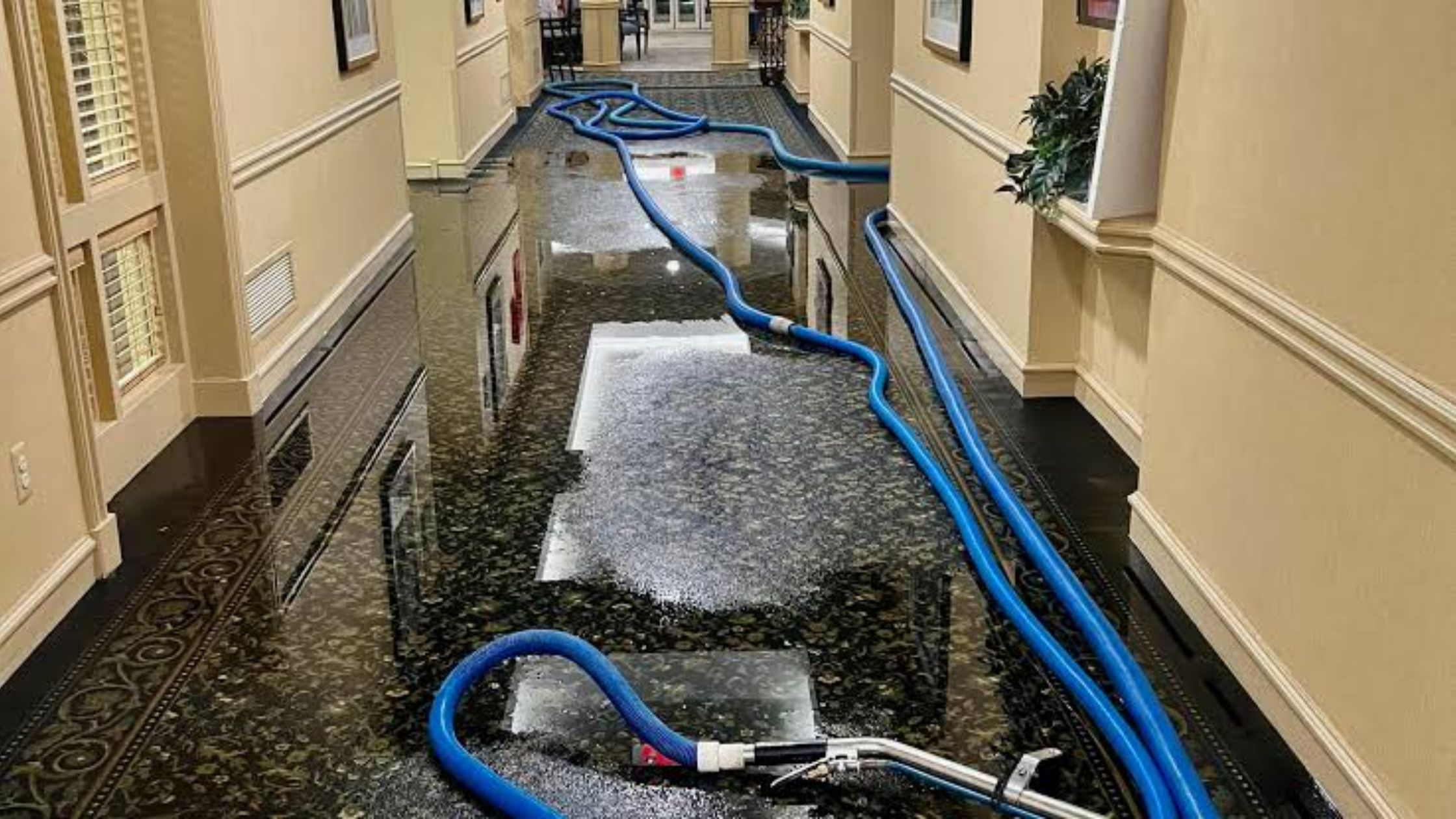
Walking into your Monterey home and noticing damp flooring, bubbling paint, or the sharp smell of moisture can be alarming. These early warning signs often indicate deeper issues hiding behind the walls. When homeowners begin to experience situations that may require water damage mitigation Monterey, understanding the root causes is essential. The Monterey region’s coastal climate, older housing structures, and seasonal storms make homes particularly vulnerable. In this guide, we will explore the most common reasons water damage occurs and how recognizing them early can protect your home from costly repairs.
What triggers water damage in homes in Monterey?
Burst pipes are one of the leading causes of residential water damage. Whether due to pipe corrosion, sudden pressure changes, or aging plumbing systems, water can rapidly infiltrate walls, ceilings, and flooring. Many of these incidents fall under Monterey burst pipe causes, especially in homes built decades ago. When a pipe ruptures, even a few minutes of water flow can severely damage drywall, subflooring, and insulation. This type of event often requires immediate professional attention to prevent mold growth and long-term structural issues.
Roof leaks and water intrusion from above
Roof leak water damage Monterey cases occur frequently due to worn shingles, damaged flashing, or deteriorated underlayment. Even small openings in the roof allow moisture to seep in, especially during foggy mornings or heavy coastal rains. Over time, this leads to stains on ceilings, sagging drywall, and rotting wood structures within the attic. Because Monterey’s marine layer contains high moisture levels, roofs experience slow but steady deterioration if not properly maintained.
Storm water intrusion and flooding
Storm water intrusion Monterey homeowners experience typically results from heavy rainstorms, clogged gutters, or improper grading around the foundation. Water can overflow and pool near the home’s perimeter, eventually seeping into crawl spaces, basements, or lower-level living areas. Coastal storms can push excessive rain against windows, siding, and doors, finding entry through small gaps or deteriorated seals. When storm water enters the home, it often brings contaminants, making professional mitigation essential.
Appliance and plumbing fixture failures
Water heater leaks, failing dishwasher hoses, worn washing machine connectors, and faulty refrigerator lines are common culprits. Many of these leaks start small and are hidden from view. Over time they cause materials like wood and drywall to absorb moisture, leading to swelling, discoloration, and mold. Homeowners often discover the damage only after it has become extensive. An unnoticed appliance leak can silently deteriorate cabinets, floorboards, and even electrical systems if left unaddressed.
Foundation seepage and exterior drainage issues
Monterey’s varied terrain includes slopes, coastal plains, and hilly residential communities. Homes built on or near these landscapes may deal with water pooling around the foundation. When exterior drainage systems fail or soil becomes oversaturated, moisture can slowly seep into the structure. This creates high humidity levels in crawl spaces and basements, which in turn lead to mould growth and wood decay. These issues are common in older neighborhoods where drainage systems have not been updated.
Condensation and poor ventilation
Although not dramatic, condensation from daily activities like cooking, showering, or indoor drying can gradually contribute to moisture buildup. Poor ventilation prevents this moisture from escaping, allowing it to settle on ceilings, walls, and window frames. Over time, this causes paint to peel and mould to form, especially in bathrooms, kitchens, and laundry areas. Monterey’s naturally humid environment only amplifies these effects, making proper ventilation crucial for preventing water issues.
Why you should call a water damage mitigation Monterey expert when early signs appear
When warning signs such as staining, dampness, or musty odors emerge, contacting a specialist is essential. Professionals have the equipment needed to detect moisture behind walls, under floors, and within structural components. Their expertise helps prevent further damage by addressing the source and drying the affected areas thoroughly. Acting early can prevent mold, rot, warping, and extensive repair costs. Professional intervention also ensures proper documentation for insurance purposes, which is crucial when filing claims related to home damage.
A breakdown of major water damage categories
Plumbing failures
Burst pipes, leaking fittings, and faulty appliance hoses can unleash significant amounts of water in a short time. Homeowners may hear flowing water when no fixtures are running or notice unusual wet spots. These signs indicate a potential breach somewhere in the plumbing system.
Roof-related leaks
Roof leaks often start quietly, with water seeping through damaged shingles or worn flashing. Homeowners may notice discoloration or bubbling in ceiling paint. Attics often show early signs of water intrusion through damp insulation or visible mold patches.
Storm and weather-related intrusion
Strong storms bring heavy rainfall and powerful winds that push water into vulnerable openings around the home. When landscaping or exterior drainage systems cannot redirect water efficiently, flooding can occur.
Foundation seepage
When soil becomes oversaturated, hydrostatic pressure forces moisture through cracks or porous building materials. This is especially common in areas where the water table rises during wet months.
Humidity and condensation
Houses with inadequate ventilation face the gradual buildup of moisture. Bathrooms, kitchens, and basements are often the first places where moisture collects. Over time, this leads to mold growth and surface deterioration.
Table: Causes and visible symptoms of water damage
| Cause | Visible Symptoms | Likely Impacted Areas |
| Burst pipes | Water pooling, wall bubbling, sudden flooding | Walls, floors, ceilings |
| Roof leaks | Ceiling stains, attic moisture, sagging drywall | Ceilings, attic, insulation |
| Storm intrusion | Wet carpets, standing water, saturated crawl space | Lower floors, crawl spaces |
| Foundation seepage | Wall dampness, musty smell, mold patches | Basements, crawl spaces |
| Condensation | Fogged windows, peeling paint, mildew | Bathrooms, kitchens, laundry rooms |
Preventive steps homeowners should take
Regular plumbing and fixture inspections
Inspect supply lines, pipes, and appliance hoses regularly. Replacing old or worn components prevents surprise bursts. Keep an eye on water bills for sudden increases, which may indicate hidden leaks.
Roof assessments
Check roofs annually for missing shingles, cracked tiles, or failing seals. Clean gutters to prevent water overflow during storms. A healthy roof remains one of the strongest defenses against water intrusion.
Improve exterior drainage
Ensure your yard slopes away from the home, allowing rainwater to flow outward instead of pooling. Clean downspouts and consider installing drainage systems if your property frequently deals with standing water.
Increase ventilation and manage humidity
Use exhaust fans, dehumidifiers, and ventilation systems to reduce moisture buildup indoors. Proper airflow minimizes the risk of condensation-related issues.
Act quickly at the first sign
Do not ignore early clues like persistent dampness or peeling paint. Addressing minor issues early is far easier than resolving widespread water damage later on. Contacting specialists in water damage mitigation Monterey can prevent deterioration and ensure long-term home health.
FAQs About Water Damage Causes in Monterey Homes
Q1: What is the most common cause of water damage in Monterey homes?
Burst pipes, roof leaks, and storm water intrusion are among the top causes.
Q2: Can the coastal environment increase water damage risks?
Yes, coastal humidity, fog, and salt contribute to faster deterioration of roofing, siding, and plumbing components.
Q3: How can I tell if my roof leak is serious?
Look for ceiling stains, dripping water, sagging drywall, or attic moisture.
Q4: What should I do if I find water in my crawl space?
Remove standing water, improve ventilation, and contact a mitigation professional to assess moisture levels.
Q5: Can a small appliance leak cause major damage?
Yes. Even slow leaks can saturate flooring and walls over time, leading to mold and structural issues.
Conclusion
Understanding the common causes of water damage helps Monterey homeowners remain prepared and proactive. Whether it’s a hidden leak, sudden pipe rupture, storm intrusion, or moisture from poor ventilation, taking quick action prevents long-term harm. When signs point to water intrusion, rely on experts who specialize in water damage mitigation Monterey to protect your property. At division construction, we offer comprehensive solutions to safeguard your home, restore structural integrity, and prevent future water-related issues

0 comments