
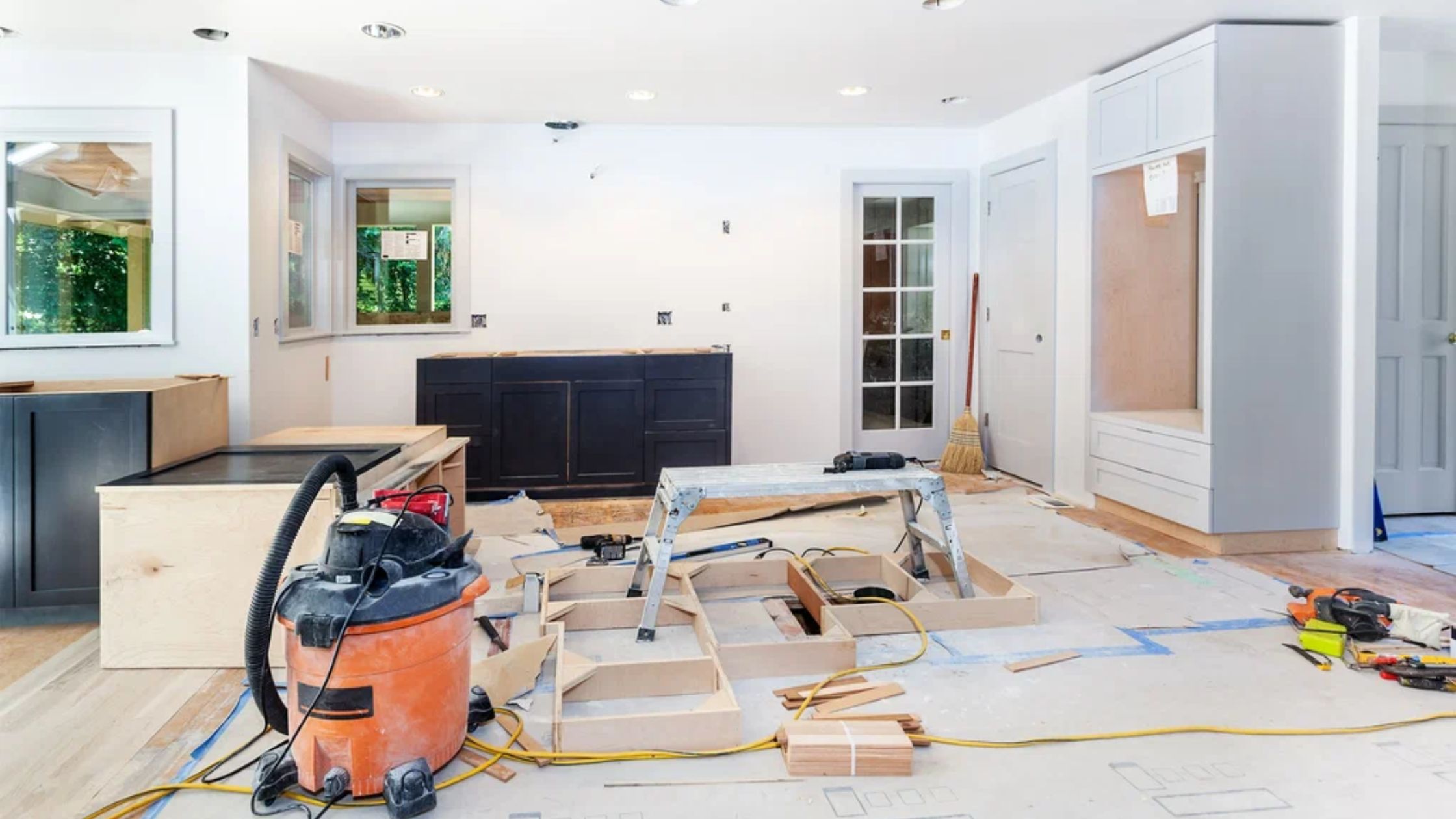
The mist rolling off the Pacific and the rugged beauty of the Santa Lucia Mountains have always influenced the way we live in Northern California, but as we move into 2026, the local housing landscape is undergoing a profound transformation. Homeowners from Carmel-by-the-Sea to the Salinas Valley are no longer looking for cookie-cutter designs; instead, they are seeking spaces that reflect the unique intersection of coastal luxury and sustainable utility. Navigating the complexities of residential remodeling in Monterey County California requires a deep understanding of local building codes, environmental constraints, and the evolving aesthetic preferences of the Central Coast. Whether you are looking to modernize a mid-century cottage or expand a coastal estate, staying ahead of the latest architectural shifts is essential for preserving property value and enhancing daily life. This guide explores the defining trends that are shaping the homes of tomorrow in our prestigious region.
What is the most popular home renovation in 2026?
As we look at the current market data for our region, the most popular renovation projects are centered around the “indoor-outdoor” synergy that defines California living. Homeowners are increasingly investing in floor-to-ceiling glass wall systems and expanded deck areas that blur the lines between the living room and the natural landscape. In Monterey County, where the climate is temperate year-round, these renovations provide a significant return on investment by essentially increasing the usable square footage of the home without the cost of a full addition. This trend is particularly dominant in coastal areas where maximizing a view of the bay is the primary goal of any construction project.
Another surging category of renovation involves the comprehensive modernization of kitchens into “social hubs.” In 2026, the kitchen is no longer just a place for meal preparation; it is a high-tech center for entertaining and family connection. We are seeing a move away from stark minimalism toward “warm organic” styles that use local stone, reclaimed wood, and integrated smart appliances. If you are planning a significant change to your home’s layout, you should contact us to understand how these modern design elements can be integrated into your existing footprint safely and efficiently.
Emerging Residential Remodeling Monterey County California Concepts
The evolution of residential remodeling in Monterey County California has moved toward a “resilient luxury” model that prioritizes both aesthetic appeal and environmental longevity. Because our county faces specific environmental challenges, such as salt air corrosion and strict water usage regulations, the materials being used in 2026 are more durable and efficient than ever before. We are seeing a significant rise in the use of high-performance composite sidings that mimic the look of redwood but require almost zero maintenance. This shift allows homeowners to enjoy the classic Monterey look without the constant battle against the coastal elements.
Sustainable energy integration has also become a standard requirement rather than an optional upgrade. With the increasing emphasis on grid independence, many remodeling projects now include the installation of sleek, integrated solar roof tiles and home battery backup systems. These features are often combined with greywater recycling systems that allow homeowners to maintain lush, native landscapes even during periods of drought. You can contact us to get a detailed breakdown of how these sustainable technologies can be incorporated into your next renovation project to reduce long-term operational costs.
Luxury Coastal Design Trends Monterey
When we examine the specific local design trends Monterey residents are gravitating toward, “biophilic design” stands at the forefront. This architectural philosophy focuses on increasing the occupant’s connectivity to the natural environment through the use of direct nature, indirect nature, and space and place conditions. In 2026, this manifested as internal courtyards, living green walls in bathrooms, and the use of textures that mimic the local coastline. Architects are prioritizing natural light through the strategic placement of clerestory windows and skylights that reduce the need for artificial lighting during the day.
Color palettes are also shifting away from the cool greys of the last decade toward warmer, earthier tones. We are seeing a rise in “Monterey Greens” and “Cypress Browns” that help homes blend seamlessly into the surrounding hillsides. These colors are often paired with unlacquered brass fixtures and matte black hardware to create a look that is both timeless and contemporary. This aesthetic approach ensures that the home feels grounded in its geographic context while providing all the comforts of a modern luxury residence.
Innovative California Coastal Remodeling Ideas
Adapting a home to the California coast requires a specialized set of California coastal remodeling ideas that account for the unique light and weather patterns of the region. One of the most innovative trends in 2026 is the “Wellness Suite,” which replaces the traditional master bathroom. These suites often feature infrared saunas, cold plunge tubs, and steam showers equipped with aromatherapy capabilities. By turning a standard bathroom into a private spa, homeowners are creating personal sanctuaries that prioritize mental and physical health.
For those with older properties in historic districts like Pacific Grove, the trend is “invisible modernization.” This involves upgrading the structural, electrical, and plumbing systems to modern standards while meticulously preserving the original Victorian or Craftsman aesthetic. This often requires custom millwork and the sourcing of period-accurate materials that meet current energy efficiency codes. To ensure that your historic home retains its charm while gaining modern functionality, you can contact us and discuss the specific preservation requirements for your neighborhood.
Table: Remodeling Investment vs. Return in 2026
| Project Type | Average Cost Range | Expected ROI (Monterey) | Key Feature for 2026 |
| Indoor-Outdoor Living | $50,000 – $150,000 | 85% – 95% | Bi-fold glass wall systems |
| Smart Kitchen Hub | $80,000 – $200,000 | 75% – 82% | Hidden induction cooktops |
| Wellness Suite | $40,000 – $110,000 | 70% – 78% | Integrated steam and sauna |
| ADU (Guest House) | $150,000 – $350,000 | 100%+ | Multi-generational living |
| Solar & Battery Integration | $30,000 – $65,000 | 90% | Grid-independent backup |
The Rise of Accessory Dwelling Units (ADUs) in Monterey
In 2026, the Accessory Dwelling Unit became a staple of Monterey County home renovation trends due to changes in state legislation and the growing need for flexible living spaces. Whether it is used as a rental property to offset mortgage costs or as a “granny flat” for aging parents, the ADU is a versatile solution for maximizing property value. Modern ADUs are being designed with the same high-end finishes as the primary residence, ensuring a cohesive look across the entire lot.
The design of these units has also evolved to be more compact and efficient. We are seeing “smart studios” that utilize Murphy beds, hidden storage, and multi-functional furniture to provide a full living experience in under 500 square feet. Because the permitting process for ADUs has been streamlined in Monterey County, many homeowners are choosing this as their first step into the world of residential remodeling. These units are also perfect for home offices or creative studios, providing a quiet space away from the main household.
Sustainable Material Selection for 2026
The materials chosen for home renovations today are scrutinized for their carbon footprint and their ability to withstand the coastal climate. Reclaimed lumber from old barns and piers is being repurposed into stunning focal points, such as kitchen islands and fireplace mantels. This not only adds a sense of history and character to the home but also aligns with the growing desire for sustainable construction practices. Furthermore, recycled glass countertops and cork flooring are gaining popularity for their unique textures and eco-friendly credentials.
In addition to aesthetics, fire-resistant materials have become a major priority for homes located near the wildland-urban interface. Fire-rated roofing, ember-resistant vents, and specialized non-combustible decking materials are now standard in many renovation plans. These choices are often driven by insurance requirements as much as personal safety, as homeowners look to harden their properties against the risks of a changing climate. Selecting the right materials is a balancing act between beauty, durability, and compliance with local safety standards.
Frequently Asked Questions (FAQs)
How long does a typical home remodel take in Monterey County?
The timeline varies depending on the scope. A kitchen remodel might take 8 to 12 weeks, while a full-scale renovation or addition can take 6 to 12 months. This includes the time needed for architectural planning and the permitting process with the county.
Do I need a permit for a bathroom remodel in California?
Yes, most bathroom remodels that involve changes to plumbing, electrical, or structural components require a permit. Working with a licensed contractor ensures that all work is performed to code and properly inspected by local authorities.
What is the best way to increase my home’s value in Monterey?
Adding square footage through an ADU or kitchen expansion typically provides the highest return. However, upgrading to energy-efficient windows and modernizing your outdoor living space are also excellent ways to boost market appeal in our coastal region.
How much does an ADU cost to build in 2026?
While prices vary based on finishes and site conditions, a detached ADU in Monterey County typically starts around $150,000. This includes everything from the foundation and utility hookups to the final interior painting.
Can I remodel my historic home in Pacific Grove or Carmel?
Yes, but you must adhere to strict historic preservation guidelines. This often involves keeping the exterior appearance consistent with the neighborhood while allowing for modern upgrades to the interior and structural systems.
Conclusion
Remodeling a home in Monterey County is a unique opportunity to blend the natural majesty of the coast with the cutting-edge innovations of 2026. From the integration of sustainable energy systems to the creation of wellness-focused interiors, the trends of this year emphasize a lifestyle that is balanced, efficient, and deeply connected to the environment. Whether you are seeking to capitalize on the financial benefits of an ADU or simply want to transform your kitchen into a modern social hub, the key to success lies in meticulous planning and a deep respect for the local architectural context.
As the leader in residential remodeling Monterey County California, Division Construction is dedicated to bringing these visionary trends to life for our clients. We understand the specific nuances of building on the Central Coast and pride ourselves on delivering craftsmanship that stands the test of time. If you are ready to begin your journey toward a more beautiful and functional home, contact us today. Our team is here to help you navigate every step of the process, ensuring that your 2026 renovation is a seamless and rewarding experience.

0 comments