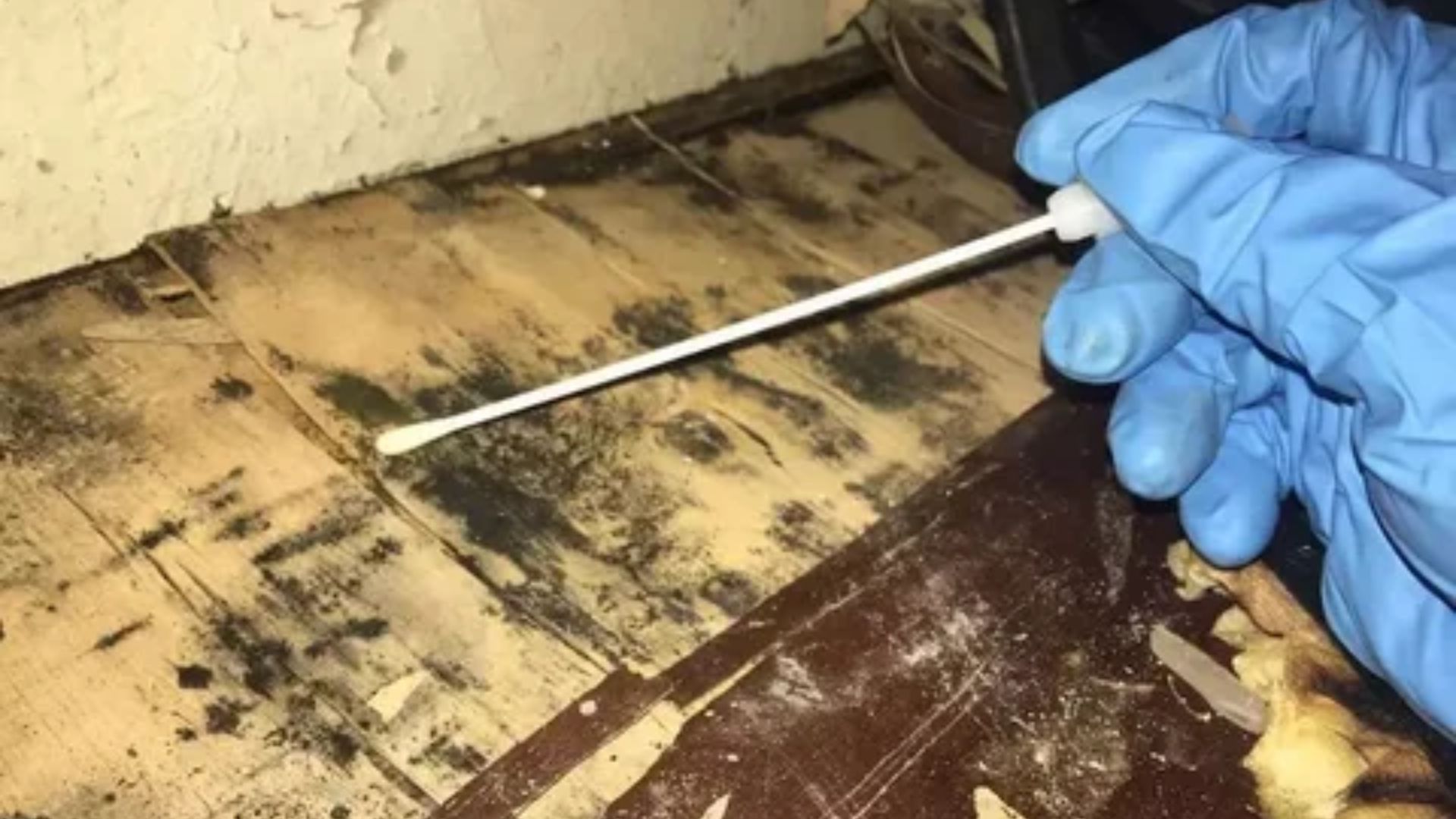
Mold growth in your home is more than just a cosmetic issue; it is a significant environmental hazard that compromises both your property’s structural integrity and your family’s health. If you have discovered dark spots on your drywall or noticed a persistent musty odor in your residence, you are likely dealing with an infestation that requires professional intervention. Effective mold remediation in Monterey hills involves a comprehensive process of cleaning, sanitizing, and removing mold-affected materials to ensure the spores do not return. Addressing this problem early is essential for homeowners in the hillside communities of Los Angeles to prevent long-term damage and high repair costs.
Why is mold remediation necessary for my home?
Mold remediation is necessary because it stops the active spread of fungal colonies that digest organic building materials like wood and paper. While mold occurs naturally outdoors, its presence inside a home leads to the deterioration of structural components and creates poor indoor air quality. Without professional remediation, mold will continue to release spores into the air, potentially spreading to every room through your HVAC system.
In the unique climate of Northeast Los Angeles, moisture can often become trapped in older homes or hillside properties with poor drainage. This creates a perfect breeding ground for various fungal species. Engaging certified mold remediation experts ensures that the root cause of the moisture is identified, rather than just cleaning the surface-level visible growth.
Is mold remediation the same as mold removal?
Mold removal and mold remediation are often used interchangeably, but they represent different levels of service. Mold removal is the physical act of getting rid of visible mold from surfaces. Mold remediation is a holistic process that includes testing, containment, air filtration, and moisture control to return mold levels to a safe, natural baseline. It is impossible to remove every single mold spore from an indoor environment, so the goal of remediation is to manage the environment so mold cannot thrive.
When seeking mold remediation in Monterey hills, you should look for a process that addresses why the mold appeared in the first place. Whether it was a leaking pipe, high humidity, or seepage from the hillside terrain, the remediation professional must solve the water problem. To get started on restoring your home, you can request a free quote to assess the specific needs of your property.
What are the most common health risks of household mold?
The health risks of household mold primarily affect the respiratory system and can vary significantly depending on the individual’s sensitivity. Constant exposure to mold spores can lead to chronic coughing, wheezing, and skin irritation. For those with pre-existing conditions like asthma or allergies, the symptoms are often much more severe and persistent.
Certain types of mold, such as Stachybotrys chartarum (often called black mold), can produce mycotoxins. These toxins are linked to more serious neurological issues and chronic fatigue in some cases. Protecting your health requires a prompt response the moment you suspect an infestation in your living space.
How does the Monterey Hills geography affect mold growth?
Monterey Hills is a unique neighborhood characterized by its elevated terrain and proximity to areas like El Sereno and South Pasadena. Because many homes are built on or near hillsides, they are more susceptible to “hydrostatic pressure.” This occurs when groundwater pushes against the foundation of a home, leading to damp crawlspaces or moisture seeping through basement walls.
The microclimate in this part of Los Angeles can also see significant morning fog and humidity, which can settle in poorly ventilated areas of a home. Landmarks like the nearby Ernest E. Debs Regional Park contribute to the lush, green environment, but the same moisture that keeps the park beautiful can cause headaches for homeowners. Implementing mold remediation services in Monterey Hills requires an understanding of these local environmental factors to ensure long-term success.
Key Factors for Local Homeowners
- Hillside Drainage: Ensure that runoff from the hills is directed away from your home’s foundation.
- Ventilation: Use dehumidifiers in lower-level rooms that lack consistent sunlight.
- Old Infrastructure: Older multi-unit complexes in the area may have aging plumbing that is prone to slow, hidden leaks.
What are the steps in a professional remediation process?
The remediation process is a technical sequence designed to prevent cross-contamination. Professionals do not simply “scrub” the mold; they create a controlled environment to ensure the spores do not drift into clean areas of the house.
- Assessment and Inspection: Technicians use moisture meters and thermal imaging to find hidden water sources.
- Containment: Using heavy-duty plastic sheeting and negative air pressure, the affected area is sealed off.
- Air Filtration: High-efficiency particulate air (HEPA) filters are used to scrub spores from the air.
- Removal of Damaged Materials: Porous items like drywall or carpeting that are heavily infested are safely discarded.
- Cleaning and Sanitization: Non-porous surfaces are treated with antimicrobial solutions to kill remaining fungi.
If you are unsure of the extent of the damage in your kitchen or bathroom, getting a free quote from a professional can help you understand the necessary steps for your specific layout.
Identifying Mold vs. Mildew in Your Home
It is common for homeowners to confuse mold with mildew. Mildew is typically a surface-level growth that appears gray or white and has a powdery texture. It is generally easier to clean. Mold, however, is often thicker, fuzzy, or slimy, and can be black, green, or bright red. Unlike mildew, mold grows deep into the fibers of the material it occupies.
| Feature | Mildew | Mold |
| Appearance | Flat, powdery, or downy | Fuzzy, slimy, or elevated |
| Color | White, gray, or yellowish | Black, green, red, or blue |
| Growth Habit | Grows on surfaces only | Penetrates deep into materials |
| Health Risk | Mild respiratory irritation | Potential for severe toxic reactions |
| Ease of Removal | Usually removed with household cleaners | Requires professional remediation |
How long does the remediation process take?
Most mold remediation projects take between three to seven days to complete, depending on the severity of the infestation and the size of the area. The longest part of the process is often the “drying out” phase, where industrial dehumidifiers must run for several days to ensure all moisture is removed from the structural studs and flooring.
Skipping the drying phase is a common mistake that leads to the mold returning within weeks. Professional mold remediation in Monterey hills ensures that the moisture content of the wood is below 16% before any new drywall or flooring is installed.
Preventing Future Mold Growth in Northeast Los Angeles
Prevention is always more cost-effective than remediation. For residents living near Huntington Drive or those with properties overlooking the Arroyo Seco, moisture management is a year-round task. Regularly checking for window seal leaks and ensuring your clothes dryer vents directly outside are simple ways to reduce indoor humidity.
If you have experienced a recent roof leak or a plumbing overflow, do not wait for the area to “air dry” on its own. Any organic material that stays wet for more than 24 to 48 hours is at high risk for fungal growth. Obtaining a free quote for professional drying services can save you thousands of dollars in future remediation costs.
Frequently Asked Questions
Can I perform mold remediation myself?
You can handle very small areas of surface mold (less than 10 square feet) using soap and water or specialized cleaners. However, for larger areas or if the mold is caused by contaminated water (like sewage), professional remediation is required to ensure safety and completeness.
Does homeowners insurance cover mold remediation in Monterey Hills?
Coverage depends on the cause of the mold. If the mold resulted from a “sudden and accidental” event, like a burst pipe, it is often covered. If the mold is due to long-term neglect, lack of maintenance, or humidity, it is typically excluded from standard policies.
How do I know if the mold is gone?
Post-remediation testing is the only way to be certain. A third-party environmental consultant can take air samples to verify that the spore count inside the remediated area is lower than or equal to the outdoor air quality.
Is it safe to stay in my home during remediation?
In many cases, yes, provided the area is properly contained with plastic barriers and negative air machines. However, if the mold is in a primary kitchen or the only bathroom, or if a family member has severe asthma, it may be more comfortable to relocate for a few days.
What is the “musty smell” associated with mold?
The smell is caused by Microbial Volatile Organic Compounds (mVOCs). These are gases released by mold as it grows and digests material. If you smell this odor, mold is likely present even if you cannot see it behind walls or under floors.
Conclusion
Protecting your home from the silent threat of fungal growth is a vital part of property ownership in Southern California. From understanding the health risks of household mold to identifying the unique moisture challenges posed by the hillside geography of Northeast Los Angeles, staying informed helps you act quickly when issues arise. Prompt mold remediation in Monterey hills not only preserves the value of your real estate but also ensures a safe, breathable environment for your loved ones.
When you are ready to restore your home to its best condition, Division Painting is here to help. As a trusted local service provider, we understand the specific architectural and environmental needs of our community. Division Painting provides the expert solutions you need to address moisture issues and ensure your home remains a healthy place to live.

0 comments