
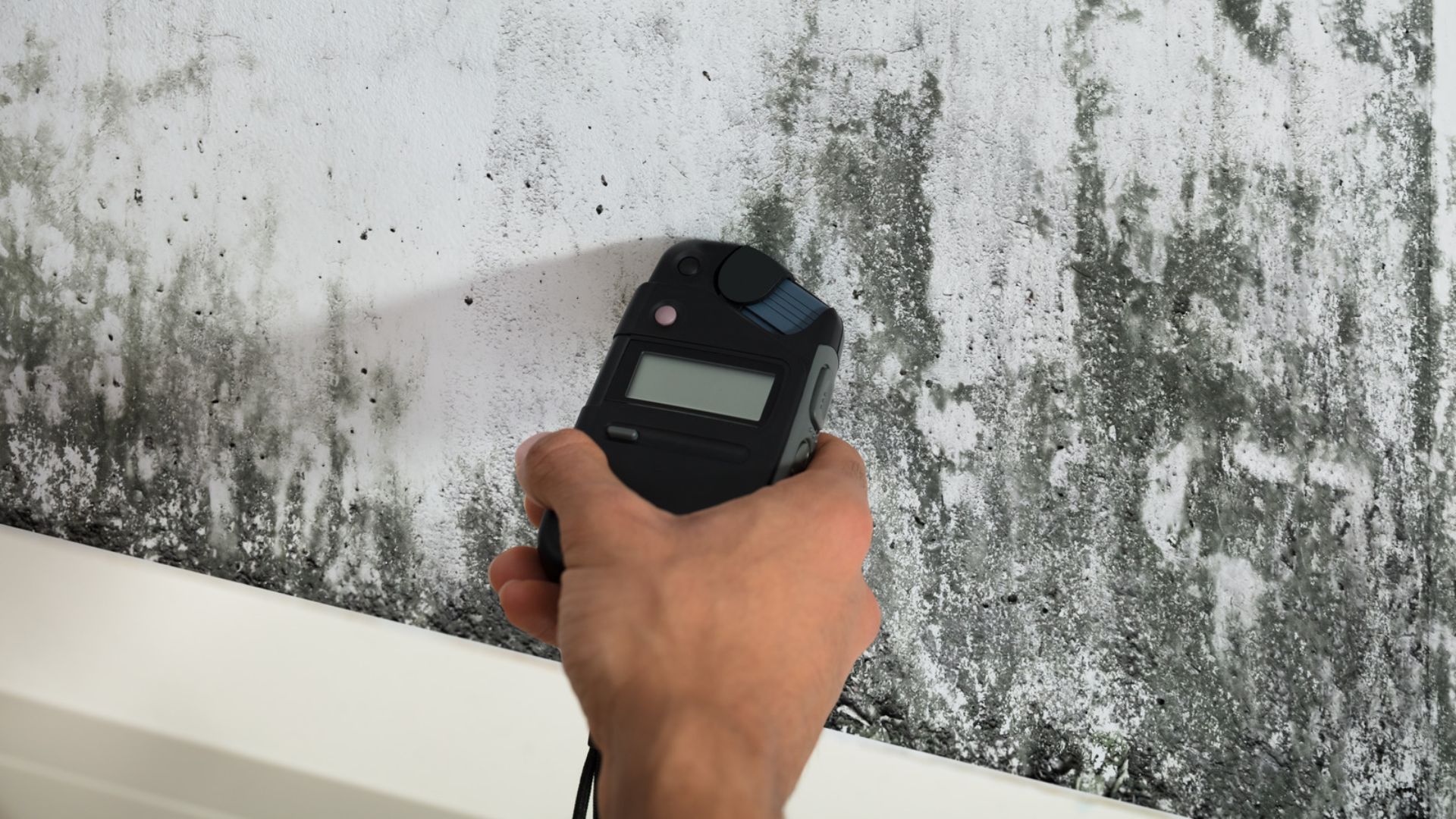
If you suspect your home has a mold problem but cannot see any visible growth, you are likely dealing with a hidden infestation behind your walls or under your flooring. Detecting these invisible threats requires specialized equipment and a deep understanding of structural biology to prevent further damage. Effective mold remediation in Monterey hills starts with a rigorous identification phase that uses thermal imaging, moisture mapping, and air sampling to pinpoint the exact location of the fungal colonies. For homeowners in this hilly region of Los Angeles, addressing hidden moisture immediately is the only way to safeguard your property and ensure long-term structural health.
How can you tell if mold is growing behind your walls?
The most common signs of mold growing behind walls include a persistent musty odor, unexplained respiratory symptoms, and localized staining on paint or wallpaper. While surface stains are a clear indicator, mold often thrives in the dark, damp cavities of your home’s framing before it ever becomes visible to the naked eye. Professionals look for bubbling paint or warped drywall as primary physical clues that moisture is trapped inside the wall assembly.
In the unique residential landscape of Northeast Los Angeles, many homes are built with complex foundations that can trap condensation. A professional mold inspection in Monterey Hills involves using invasive and non-invasive techniques to confirm these suspicions. If you notice any of these signs, you can request a free quote to have a specialist evaluate the hidden areas of your home.
What are the most effective methods for detecting hidden mold?
Professionals use a combination of advanced technology and physical investigation to locate mold that is tucked away in crawlspaces, attics, or wall voids. Unlike a standard home inspection, a mold-specific assessment focuses on the life cycle of fungi and the specific moisture conditions required for their survival.
- Infrared Thermography: Thermal cameras detect temperature differences in walls that often indicate the presence of moisture.
- Moisture Metering: Handheld sensors measure the exact moisture content of wood, drywall, and masonry.
- Borescope Inspection: A tiny camera is inserted through a small hole in the wall to visually confirm growth in the cavity.
- Airborne Spore Traps: Collectors pull a specific volume of air through a filter to analyze the concentration of spores compared to the outdoors.
Using these methods for detecting hidden mold allows technicians to create a surgical plan for removal. This prevents the unnecessary demolition of clean materials and ensures that the source of the moisture is addressed.
Is indoor air quality testing necessary for mold detection?
Indoor air quality testing is essential when there is a strong smell of mold but no visible evidence of growth. These tests provide a scientific baseline by measuring the types and quantities of spores present in each room. Because some mold species are more hazardous than others, identifying the specific strain is crucial for determining the appropriate safety protocols for the cleanup crew and the residents.
Many homeowners utilize indoor air quality testing services to confirm that their living environment is safe after a local weather event or a plumbing leak. If you are concerned about the air you breathe, securing a free quote for a comprehensive air audit can provide the peace of mind you need.
How does the local Monterey Hills climate contribute to hidden mold?
The geography of Monterey Hills plays a significant role in how moisture enters a home. Being situated near the hills of El Sereno and the Arroyo Seco means that homes often deal with higher humidity levels and cooler morning temperatures that lead to condensation on windows and within wall cavities.
When moisture is trapped by the heavy soil common in Northeast Los Angeles, it can create “ghosting” or hidden dampness in basements and lower levels. Landmarks like the Ascot Hills Park nearby highlight the natural beauty of the area, but the same environmental factors that support the local flora can also support mold growth if your home’s drainage system is not properly maintained. Managing mold remediation in Monterey hills requires a local understanding of how these hillside pressures affect older and newer constructions alike.
Can mold grow in the HVAC system without being noticed?
Yes, the HVAC system is one of the most common places for hidden mold to flourish because it provides a dark environment and a constant supply of organic dust. Mold spores can settle in the ductwork or on the evaporator coils, where they are then distributed throughout the house every time the air conditioner or heater turns on.
If you notice a “dirty sock” smell when your system starts up, it is a strong indicator of a biological growth issue within the unit. Professionals will often take tape lift samples from the vents to confirm if the system is contaminated. Protecting your family from these airborne irritants is vital, and you can get a free quote to have your ventilation system professionally inspected.
Why is mold remediation in Monterey hills different for hillside homes?
Homes built on slopes often face “rising damp,” where moisture travels upward through porous building materials like concrete and brick. In Monterey Hills, the pressure of water moving down the hillside can force its way into foundations that weren’t built with modern waterproofing standards.
Effective mold remediation in Monterey hills must include an evaluation of the exterior drainage. If the water isn’t directed away from the house toward the street or a dedicated drain, the mold will simply return after the cleanup is finished. This local expertise ensures that the remediation is a permanent solution rather than a temporary fix.
| Detection Method | Best Used For | Accuracy Level |
| Thermal Imaging | Finding hidden leaks behind large wall sections | High (for moisture) |
| Air Sampling | Determining overall spore concentration | High (for species) |
| Surface Swabs | Confirming if a specific spot is mold or dirt | Very High |
| Moisture Meters | Checking for dampness in wood studs | Very High |
| Visual Inspection | Identifying obvious structural failures | Moderate |
What are the risks of ignoring hidden mold?
Ignoring hidden mold can lead to significant structural damage and long-term health complications for everyone in the household. Over time, fungi will consume the cellulose in your drywall and the lignin in your wood framing, eventually weakening the skeleton of your home. This is especially dangerous in areas prone to seismic activity, where structural integrity is paramount.
From a health perspective, the continuous inhalation of spores can lead to chronic sinus infections and fatigue. In some cases, the presence of hidden mold can even decrease the resale value of your property if discovered during a pre-sale inspection. Taking early action by consulting with professionals can prevent these costly outcomes.
How do professionals prepare for the remediation phase?
Once the hidden mold has been identified and mapped, the preparation phase begins to ensure the spores do not spread during the removal process. Professionals use the data from the inspection to determine which walls need to be opened and which can be treated in place.
- Establishing Containment: High-strength poly sheeting is used to create a “clean room” around the work area.
- Negative Air Pressure: Fans are set up to blow air outside, creating a vacuum that keeps spores from escaping the containment.
- PPE Selection: Technicians don N95 or P100 respirators, gloves, and disposable suits to protect themselves.
- HEPA Vacuuming: The area is vacuumed before any demolition begins to reduce the initial spore load.
Ensuring a Safe Recovery for Your Northeast Los Angeles Home
The goal of any professional service is to return your home to a pre-loss condition where the mold levels are normal for the local environment. Residents living near Huntington Drive or those closer to the South Pasadena border should be particularly vigilant about checking their homes after heavy rain seasons.
Whether you are dealing with a small leak or a major environmental concern, having a team that understands the local landscape is essential. You can always request a free quote to determine the best course of action for your specific situation and property type.
Common Areas for Hidden Mold in Local Residences
- Behind Baseboards: Often where water pools after a floor-level leak.
- Under Kitchen Cabinets: Slow leaks from sink drains often go unnoticed for months.
- In Wall Insulation: Fiberglass and cellulose insulation can act like a sponge for moisture.
- In the Attic: Roof leaks or poor ventilation can cause condensation on the underside of the roof deck.
Frequently Asked Questions
What does a professional mold inspection in Monterey Hills cost?
Costs vary based on the size of the home and the number of air or surface samples required. A basic inspection typically starts with a visual assessment and moisture mapping, with laboratory testing added as needed to confirm the presence and type of spores.
How long does a mold air test take to get results?
Once the air samples are collected, they are sent to a certified laboratory for analysis. In most cases, results are available within 24 to 48 hours, providing a detailed breakdown of the spore counts inside your home compared to the outdoor environment.
Can mold grow in a new house in Monterey Hills?
Yes, new homes can experience mold growth if materials were exposed to rain during construction or if the home is sealed so tightly that humidity cannot escape. Modern energy-efficient homes often require dedicated dehumidification or ERV systems to prevent these issues.
Is mold identification covered by insurance?
If the inspection is part of a claim for a covered peril, such as a burst pipe, the cost of the identification and testing is often covered. However, it is important to review your specific policy or speak with an adjuster to understand your coverage limits.
What should I do if I find mold behind a wall myself?
If you accidentally uncover mold during a renovation, stop work immediately and do not disturb the area further. Turning on a fan or using a standard vacuum will spread the spores throughout the house. Cover the opening with plastic and tape, then call a professional to assess the situation.
Conclusion
Successfully identifying and addressing hidden mold is a critical step in maintaining a healthy and stable home in Southern California. By utilizing a professional mold inspection in Monterey Hills, you can catch moisture problems before they escalate into major structural failures or health crises. From the hillsides overlooking the San Gabriel Valley to the quiet streets near the local business districts, moisture management remains a top priority for every homeowner. Dealing with mold remediation in Monterey hills requires a specialized touch that accounts for the local geography, aging infrastructure, and specific environmental needs of our community.
When you need a partner to help navigate these challenges, Division Painting is here to provide the expertise and reliability you deserve. As a trusted local service provider, Division Painting focuses on restoring the beauty and safety of your living space with precision and care. We are dedicated to helping our neighbors protect their investments and their health through high-quality, professional solutions.

0 comments