
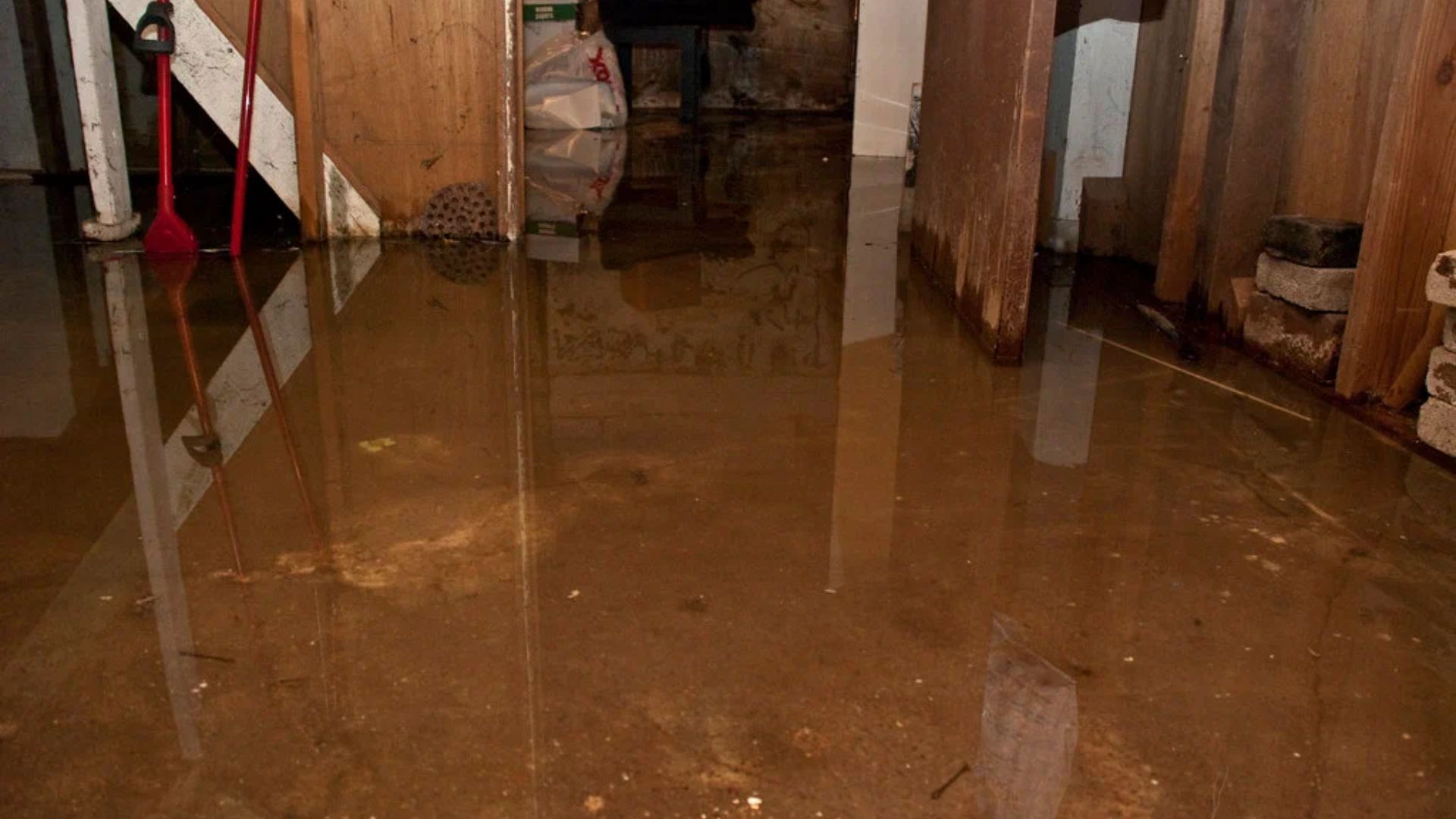
Restoration experts handle flood and storm damage in Monterey homes by prioritizing rapid structural stabilization, high-volume water extraction, and specialized dehumidification tailored to the Central Coast’s high humidity. Given Monterey’s unique coastal environment, a professional water damage restoration Monterey team must move quickly to address saltwater intrusion or heavy runoff from seasonal storms. The process involves a multi-stage approach that includes thermal imaging to locate hidden moisture, antimicrobial treatments to prevent mold, and precision structural repairs. Because of the local fog and cool temperatures, experts utilize industrial-grade equipment to pull moisture from deep within building materials that would otherwise never dry on their own.
What is the first thing to do after a flood in your home?
The first thing to do after a flood in your home is to ensure the safety of all occupants and then disconnect the electrical power to the affected areas. In Monterey neighborhoods like the Mesa or Pacific Grove, heavy rains can lead to sudden indoor flooding that creates immediate electrocution hazards. Once it is safe to enter, you should document the damage with photos and contact a professional restoration service to begin the mitigation process.
Prompt action is necessary to prevent permanent warping of wood floors and the rapid onset of mold. It is highly recommended to get a professional estimate immediately after the water source has been stopped to ensure your insurance claim is properly documented.
Water Damage Restoration Monterey
The standard water damage restoration monterey process is a specialized science that goes far beyond simple cleaning or mopping. Because Monterey properties are often subject to salt air and high ambient moisture, the “dry standard” for a home in the Monterey Vista neighborhood is different than it would be for a home in an inland desert climate. Professionals use moisture meters to calibrate their equipment based on the local environment, ensuring that materials are truly dry rather than just dry to the touch.
Industrial air movers are positioned strategically to create a vortex of airflow that evaporates moisture from surfaces. At the same time, Low Grain Refrigerant (LGR) dehumidifiers remove that moisture from the air to prevent it from soaking back into the drywall or ceiling.
During the initial assessment, a technician will determine if the water is Category 1 (clean), Category 2 (gray), or Category 3 (black). You may need to schedule a detailed inspection to confirm the category of water, as this determines which materials can be saved and which must be discarded for safety.
Specialized Equipment for Storm Damage
- Thermal Imaging Cameras: These allow experts to see “wet” spots behind finished walls without tearing them down.
- LGR Dehumidifiers: High-capacity units designed to work in the cooler, damp temperatures common near Cannery Row.
- Weighted Extraction Tools: Equipment that uses the technician’s weight to squeeze water out of carpet padding.
- HEPA Air Scrubbers: Filters that remove airborne contaminants and odors common after a storm or flood.
How do you dry out a house after a flood?
Drying out a house after a flood requires a combination of high-velocity airflow, aggressive dehumidification, and temperature control. Restoration experts do not simply open windows, especially in Monterey where the outdoor air is often just as humid as the indoor air. Instead, they seal the “drying chamber” and use industrial machines to create an artificial environment that pulls moisture out of porous materials like studs, subfloors, and plaster.
Why is flood damage restoration Monterey different from other areas?
Professional flood damage restoration Monterey services must account for the high concentration of historic buildings and the unique local topography. Homes near Fisherman’s Wharf or in the Old Capitol Site area often feature older building materials that are more susceptible to rot and require delicate handling. Additionally, the hilly terrain in parts of Monterey can lead to high-velocity runoff during storms, which often carries silt and debris into crawlspaces and basements.
Local experts also understand the specific requirements of Monterey Peninsula insurance adjusters. They provide the detailed moisture maps and psychrometric logs required to prove that the home was returned to a pre-loss condition according to industry standards.
If you suspect that water has migrated into your crawlspace or basement during a storm, you should request a free consultation to prevent structural decay from occurring beneath your feet.
What are the stages of storm water damage repair Monterey?
The stages of storm water damage repair Monterey involve emergency boarding/tarping, water removal, cleaning, and structural reconstruction. When a storm hits the Monterey coastline, it often brings wind damage along with rain. The first priority is to secure the building envelope to prevent more water from entering. Once the building is sealed, the extraction and drying phases begin, followed by the replacement of materials like insulation and baseboards.
The Restoration Timeline
| Phase | Duration | Primary Goal |
| Emergency Response | 1 to 4 Hours | Stop the water and secure the property. |
| Water Extraction | 3 to 8 Hours | Remove standing liquid from floors and carpets. |
| Structural Drying | 3 to 5 Days | Reach the “dry standard” in studs and subfloors. |
| Repairs/Rebuild | 1 to 2 Weeks | Replace drywall, flooring, and paint. |
How does emergency flood cleanup Monterey CA handle sewage backups?
A professional emergency flood cleanup Monterey CA team treats sewage backups as a biohazard (Category 3 water) requiring specialized containment and disinfection. In older parts of Monterey, such as the areas near the Presidio or the downtown business district, aging infrastructure can occasionally fail during heavy storms. Experts remove all porous materials that have come into contact with the waste and use hospital-grade antimicrobials to sanitize all remaining hard surfaces.
Can mold grow after a storm in Monterey?
Yes, mold can begin to colonize in a Monterey home in as little as 24 to 48 hours after a water intrusion event. Because the local climate is naturally damp, the “incubation period” for mold spores is significantly shorter than in drier regions. Professional restoration involves applying an antimicrobial barrier to prevent mold growth while the drying equipment is running.
What are the most common causes of flood damage in Monterey?
- Storm Surges: Coastal properties near Del Monte Beach are at risk during high-tide storm events.
- Surface Runoff: Heavy rains can overwhelm drainage systems in the hills, sending water into lower-level garages.
- Sewer Backups: High volumes of rainwater can infiltrate sewer lines, causing backups into residential basements.
- Roof Leaks: High winds can strip shingles from roofs, allowing rain to saturate attic insulation and ceilings.
How do experts find water hidden inside walls?
Restoration professionals use non-invasive moisture meters and infrared thermography to “see” through walls. Water naturally cools the materials it saturates, and an infrared camera can detect these temperature differences. This allows the team to pinpoint exactly where the water has traveled, ensuring that no wet pockets are left behind to rot or grow mold.
What should you do if your basement floods in Monterey?
If your basement or crawlspace floods, you should immediately turn off any electronics in the area and avoid walking through the water. Basements in Monterey often house water heaters and furnaces, which can be damaged or become safety hazards when submerged. After calling for professional help, try to lift any furniture or valuables out of the water to prevent permanent staining and damage.
How long does it take to dry out a flooded property?
The drying process typically takes between three and five days, though this can be extended if the property was submerged for a long period or if the water was highly contaminated. Professional technicians monitor the progress daily, adjusting the position of air movers and checking the humidity levels to ensure the process stays on track. Removing equipment too early is the most common cause of long-term structural issues and recurring odors.
FAQs
Is flood damage the same as water damage?
No, in insurance terms, “flood damage” usually refers to water coming from the ground up (like a rising creek or storm runoff), while “water damage” refers to water from the top down (like a burst pipe). Each often requires different insurance policies and restoration protocols.
How much does it cost to fix a flooded house in Monterey?
Costs vary widely based on the square footage and the contamination level of the water. Small cleanups may cost a few thousand dollars, while major storm events requiring structural rebuilds can be significantly more. Most professional restoration firms work directly with your insurance provider to handle the billing.
Can I save my carpet after a flood?
If the water was from a clean source and was removed within 24 hours, the carpet can often be saved. However, if the water came from a storm or a sewer backup, the carpet and padding are generally considered biohazards and must be replaced for health reasons.
Does homeowners insurance cover storm flooding in Monterey?
Most standard policies do not cover “rising water” or coastal flooding unless you have a specific flood insurance policy through the National Flood Insurance Program (NFIP). However, damage from rain entering through a storm-damaged roof is often covered.
What is “Category 3” water?
Category 3 water, also known as “black water,” is highly contaminated and can contain pathogenic, toxigenic, or other harmful agents. This includes sewage, rising water from rivers or the ocean, and any water that has been standing for more than 72 hours.
Conclusion
Recovering from a major weather event or a sudden flood requires more than just a mop and a bucket; it requires a scientific approach to moisture management. The water damage restoration monterey process is a vital service that protects the structural integrity and health of local homes. From the historic estates near the Monterey Bay Aquarium to the modern residences in the hills, every property deserves a high standard of care to prevent secondary damage like mold and wood rot. Division Construction is a trusted local service provider that understands the unique challenges of the Central Coast climate. By acting as a comprehensive solution to the problems discussed, they help Monterey residents restore their properties to safety and comfort after the storm passes.

0 comments