
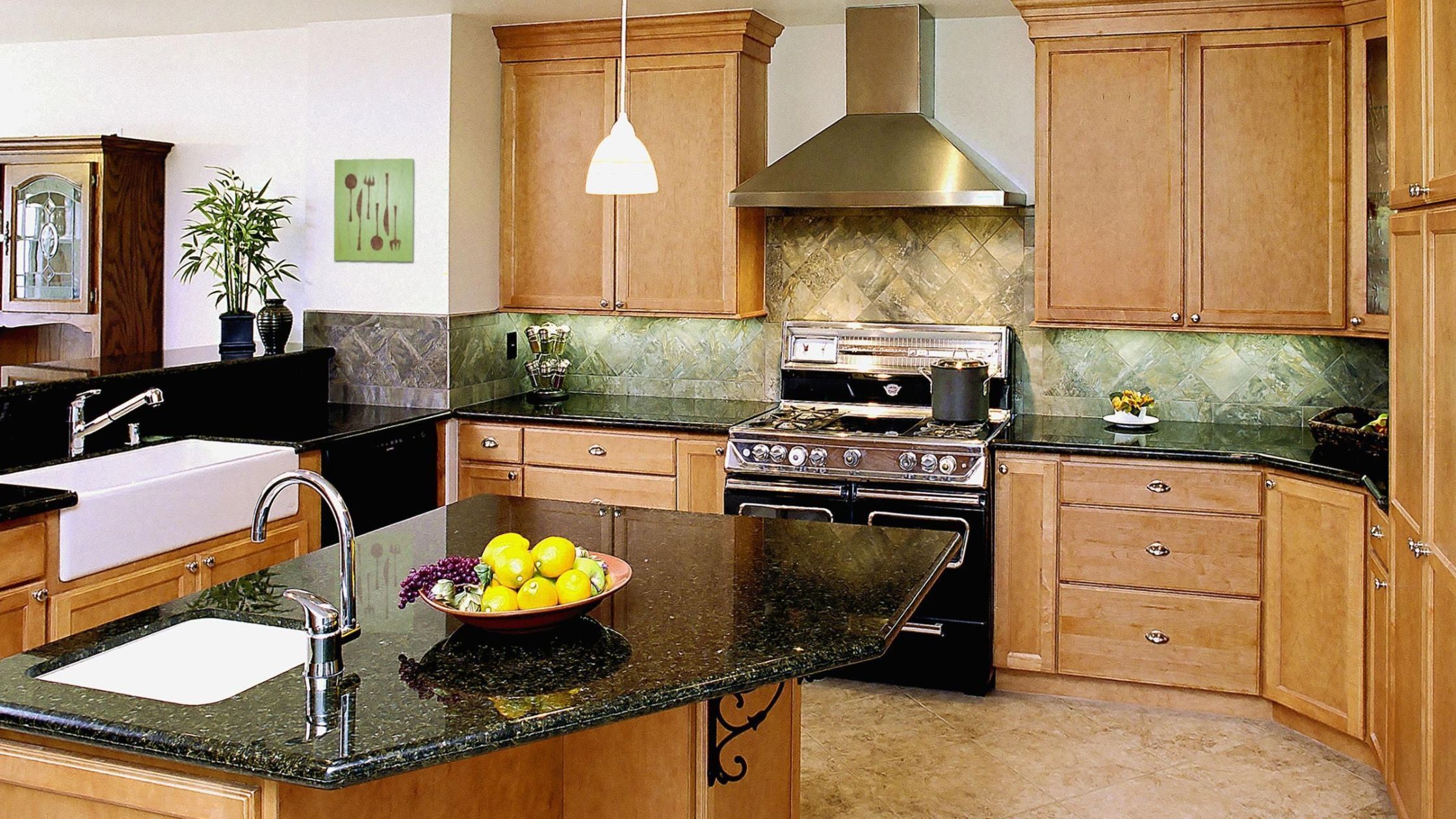
The kitchen is the heartbeat of any home, but in the coastal enclaves of the Central Coast, it serves as a vital bridge between culinary art and the relaxed luxury of the Pacific lifestyle. Embarking on a journey of residential remodeling in Monterey county California requires more than just picking out high-end appliances; it demands a strategic vision that harmonizes with local architectural traditions and environmental realities. From the historic charm of Monterey’s adobe-inspired designs to the sleek modernism found in Pebble Beach, a successful kitchen transformation hinges on meticulous planning and a deep understanding of the local supply chain. Whether you are dreaming of a chef-inspired workspace for entertaining or a cozy breakfast nook overlooking the bay, navigating this process requires a balance of aesthetic inspiration and practical project management. This guide provides a comprehensive roadmap to help you orchestrate a kitchen renovation that enhances your lifestyle and significantly boosts your property value.
How much should you spend on a kitchen remodel in Monterey?
Determining a realistic budget for a kitchen renovation in our region involves looking at the current value of your home and the specific quality of life improvements you desire. Generally, experts suggest that a major kitchen overhaul should represent between 10% and 15% of your home’s total market value to ensure a healthy return on investment. In a market where homes often exceed the million-dollar mark, this means that a premium kitchen project can easily move into the six-figure range. This investment covers everything from custom-built cabinetry and professional-grade ranges to the intricate tile work and lighting systems that define a luxury space.
Early financial planning is essential to avoid the common pitfalls of construction delays and price hikes. When building your kitchen renovation checklist Monterey, you must account for the high cost of skilled labor and the premium associated with shipping high-end materials to our coastal location. It is also wise to include a healthy contingency fund to address unexpected structural or plumbing issues that often arise in older properties. To get a clear picture of how these costs translate to your specific home, you should https://divisionconstruction.com/free-quote/ and receive a professional assessment that reflects the current pricing for the Central Coast.
Key Steps in the Residential Remodeling Monterey County California Process
The initial phase of residential remodeling in Monterey County California always begins with a thorough discovery process where your lifestyle needs are translated into a functional floor plan. This involves analyzing how traffic flows through the space, identifying the most efficient placement for the “work triangle,” and determining the storage requirements for your specific culinary habits. In Monterey homes, where natural light is a prized asset, designers often prioritize the placement of windows and skylights to maximize views and reduce the need for artificial lighting during the day.
Once the layout is finalized, the focus shifts to the selection of materials that can withstand the coastal humidity and salt air. This is where your personal style meets the durability requirements of the region, leading to choices like quartz countertops that resist staining or stainless steel appliances that stand up to corrosion. During this stage, a detailed Monterey remodeling timeline is established to coordinate the various trades, from electricians and plumbers to cabinet installers and painters. Coordination is the secret to a smooth project, ensuring that each phase is completed in the correct sequence to prevent costly re-work or downtime.
Developing a Detailed Kitchen Design Monterey CA Strategy
A cohesive kitchen design Monterey CA strategy should reflect the natural beauty of our surroundings, often incorporating earthy tones, natural stone, and wood accents that echo the local landscape. For 2026, we are seeing a move toward “hidden kitchens” where appliances are integrated behind custom cabinetry panels to create a seamless, furniture-like appearance. This look is particularly effective in open-concept homes where the kitchen is visible from the main living and dining areas. Incorporating a large island with seating has also become a standard requirement, serving as both a prep station and a social hub for family gatherings.
Lighting design is another critical element that is often overlooked until the end of the project. A well-designed kitchen requires a layered approach, combining task lighting over work surfaces, ambient lighting for general illumination, and accent lighting to highlight architectural features or artwork. Smart home integration allows homeowners to control these lighting layers via their smartphones, creating different moods for morning coffee or evening dinner parties. To see how these design elements can be tailored to your unique architectural style, you can contact us and speak with a design specialist who understands the nuances of Monterey aesthetics.
Table: Kitchen Remodeling Components and Considerations
| Component | Standard Option | Luxury/Custom Option | Monterey Consideration |
| Cabinetry | Semi-custom plywood | Fully custom hardwood | Salt-resistant finishes |
| Countertops | Granite or Quartz | Calacatta Marble/Soapstone | Resistance to citrus/oils |
| Appliances | Standard Stainless | Sub-Zero/Wolf/Miele | Integrated panel designs |
| Flooring | Luxury Vinyl Plank | Reclaimed Wood/French Oak | Durability against sand/grit |
| Backsplash | Ceramic Subway Tile | Hand-painted/Full Slab | Easy-to-clean surfaces |
Navigating the Permitting and Engineering Phase
In Monterey County, the permitting process for a kitchen remodel can be quite involved, especially if you are moving walls or upgrading your home’s electrical service. Most cities within the county require detailed architectural plans and structural engineering reports to ensure that the changes meet current seismic safety codes. This phase can take several weeks or even months depending on the workload of the local building department, so it is important to factor this “soft time” into your overall project schedule.
Working with an experienced contractor who has established relationships with local inspectors can significantly streamline this process. They know exactly what documentation is required for different types of renovations, from simple appliance swaps to major footprint expansions. If your project involves a historic home in a district like Pacific Grove, there may also be additional reviews by a heritage committee to ensure the changes are consistent with the neighborhood’s character. You can contact us to get help navigating these regulatory hurdles and ensure your project starts on a solid legal foundation.
The Importance of Material Quality in Coastal Kitchens
The proximity to the ocean means that your kitchen materials are constantly exposed to higher levels of moisture and airborne salt than inland properties. This environmental factor makes the quality of your finishes more than just an aesthetic choice; it is a matter of long-term durability. For example, high-quality cabinet hinges and drawer slides made of corrosion-resistant metals are essential to prevent sticking and rust. Similarly, selecting paint with a high-quality, moisture-resistant finish will keep your walls looking fresh despite the coastal fog.
Sustainability has also become a major driver in kitchen planning for 2026. Many Monterey homeowners are opting for induction cooktops over gas, citing both environmental benefits and superior temperature control. Low-flow faucets and energy-efficient dishwashers are also standard choices that help reduce the home’s ecological footprint while lowering utility bills. By choosing materials that are both beautiful and responsible, you create a kitchen that feels good to use and adds lasting value to your property.
Coordinating the Construction Phase for Minimal Disruption
A kitchen remodel is inherently disruptive, as it involves the removal of one of the most essential rooms in the house. Successful projects utilize a phased approach to minimize this impact, often setting up a temporary “kitchenette” in another part of the home with a microwave, coffee maker, and small refrigerator. This allows the construction team to work efficiently in the main space while ensuring your family can still maintain a basic routine. Communication during this phase is vital, with daily or weekly updates on progress and upcoming milestones.
Cleanliness is another hallmark of a professional renovation. Dust protection systems, such as plastic barriers and HEPA air scrubbers, should be used to prevent construction debris from spreading throughout the rest of your home. This is particularly important in Monterey’s many luxury residences where protecting fine art, upholstery, and hardwood floors is a top priority. A tidy job site is not just about aesthetics; it is a sign of a disciplined team that respects your property and takes pride in their workmanship.
Frequently Asked Questions (FAQs)
How long does a typical kitchen remodel take in Monterey?
A standard kitchen renovation usually takes between 8 and 14 weeks from the start of demolition to the final walkthrough. This timeline can be extended if there are delays in material shipping or if unexpected structural repairs are discovered.
Should I move my plumbing and gas lines?
Moving utilities can significantly increase the cost of a remodel but is often necessary to achieve a more functional layout. If your current “work triangle” is inefficient, the long-term benefit of moving these lines usually outweighs the initial expense.
What is the best countertop material for a Monterey home?
Quartz is highly recommended for its durability and resistance to the coastal environment. However, many homeowners still prefer the natural beauty of granite or quartzite, which are also excellent options when properly sealed.
Can I keep my existing cabinets and just replace the doors?
“Refacing” is an option if your cabinet boxes are in excellent structural condition. However, most major remodels in Monterey involve full cabinet replacement to take advantage of modern storage solutions and better-quality construction.
Do I need a permit for a kitchen remodel?
Yes, almost all kitchen renovations in Monterey County require a building permit, especially those involving electrical, plumbing, or structural changes.
Conclusion
Planning a kitchen remodel in Monterey County is a complex but rewarding endeavor that requires a clear vision and a dedicated team of professionals. By focusing on the unique intersection of coastal durability, modern technology, and timeless design, you can create a space that serves as the perfect backdrop for your family’s daily life and special celebrations. The secret to success lies in the details from the initial budget planning to the final selection of salt-resistant finishes. With the right roadmap and a commitment to quality, your new kitchen will be more than just a renovation; it will be a cornerstone of your home’s legacy.
As the leading experts in residential remodeling in Monterey County California, Division Construction is here to help you turn your kitchen dreams into a tangible reality. We understand the specific challenges and opportunities presented by the Central Coast market and are dedicated to providing a seamless experience from concept to completion. Our team of craftsmen and designers is committed to excellence, ensuring that every detail of your project is handled with the utmost care. If you are ready to start planning your successful kitchen transformation, contact us today. We look forward to helping you build a space that is as inspiring as the Monterey coastline itself.

0 comments