The standard steps involved in the water damage restoration process in Monterey include emergency contact, professional inspection, water extraction, industrial-grade drying, sanitization, and structural repairs. Because Monterey is a coastal environment with high humidity and salt air, the process must prioritize rapid moisture stabilization to prevent mold growth and secondary structural decay. A professional water damage restoration in Monterey team begins by identifying the category of water (clean, gray, or black) and then uses specialized pumps and dehumidifiers to return the property to its pre-loss condition. This systematic approach ensures that both visible water and hidden moisture behind walls are completely eradicated.
What is the first thing you should do when you have water damage?
The first thing you should do when you have water damage is to ensure the safety of all occupants and then stop the source of the water if it is safe to do so. In many Monterey homes, especially near the historic Cannery Row or older residential areas in Pacific Grove, this involves turning off the main water shut-off valve or the electricity to affected rooms. Once the immediate danger is neutralized, you must contact a professional team to begin the mitigation process.
Delaying the start of the cleanup can lead to permanent damage to hardwood floors and porous materials. You should get an expert assessment as soon as possible to document the damage for insurance purposes and prevent the spread of contaminants.
Water Damage Restoration Monterey
The local water damage restoration monterey process is uniquely influenced by the Central Coast’s damp climate and fog patterns. Unlike inland areas where heat helps evaporate moisture, Monterey requires heavy-duty Low Grain Refrigerant (LGR) dehumidifiers to pull water from the air effectively. Restoration in neighborhoods like Monterey Vista or the Skyline Forest area often involves navigating specific architectural challenges, such as crawlspaces that trap moisture or historic building materials that require delicate handling.
A professional team will perform a detailed moisture mapping of the property using infrared cameras. This allows them to see through drywall and flooring to find pockets of standing water that could lead to rot if left unaddressed.
Following an initial inspection, it is often necessary to schedule a professional inspection to determine if the structural integrity of the home has been compromised by the water intrusion.
Key Equipment Used in Monterey Restoration
- Submersible Pumps: For high-volume water removal from flooded basements or garages.
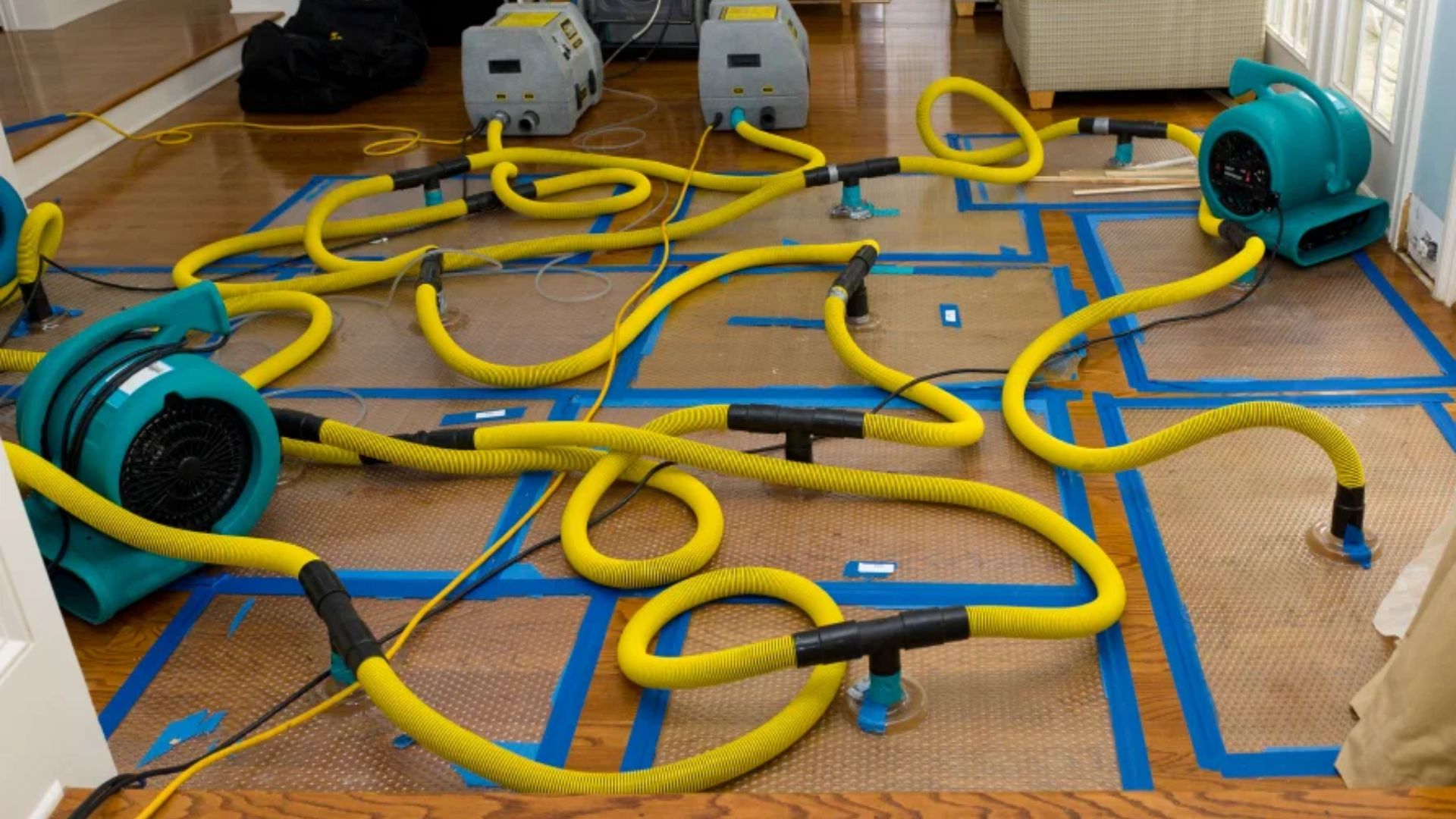
- Industrial Air Movers: Designed to create high-velocity airflow across wet surfaces.
- HEPA Air Scrubbers: Used to remove airborne spores, dust, and odors during the drying process.
- Digital Moisture Meters: To verify that materials have reached the “dry standard” before repairs begin.
What are the 4 stages of the water damage restoration process Monterey?
The four primary stages of the water damage restoration process in Monterey are mitigation, water extraction, drying/dehumidification, and final restoration/repair. Mitigation is the immediate action taken to prevent further damage, such as tarping a leaky roof near Fisherman’s Wharf or boarding up windows. Extraction involves the physical removal of standing water, while drying focuses on removing the moisture absorbed into the materials themselves. The final stage involves replacing drywall, painting, or reinstalling flooring to bring the home back to its original state.
How does water extraction and drying Monterey differ from standard cleaning?
Professional water extraction and drying Monterey involves the use of specialized, truck-mounted equipment that is significantly more powerful than a household wet-dry vacuum. While a standard shop-vac might remove surface water, it cannot extract the liquid that has seeped into the subfloor or saturated the insulation. Professionals use “weighted extractors” that pull water from deep within carpet pads, often saving the carpet from being discarded.
Furthermore, the drying phase is monitored daily. Technicians take atmospheric readings (temperature and relative humidity) and compare them to the moisture content of the building materials to ensure the environment is actually drying, not just circulating humid air.
If you are dealing with a significant leak in a commercial space near the Del Monte Shopping Center, you should request a detailed quote to understand the timeline for a full structural dry-out.
What are the common causes of water damage in Monterey homes?
Monterey homes often face water damage from coastal storm surges, aging plumbing in historic districts, and heavy rain runoff from the surrounding hills. In areas like New Monterey, older terra cotta or cast iron sewer lines are prone to backups during heavy winter storms. Additionally, the salt air can accelerate the corrosion of indoor plumbing fixtures, leading to slow leaks behind appliances that go unnoticed for weeks.
Common Water Intrusion Sources
- Sewer Backups: Often caused by root intrusion or heavy rains taxing the city infrastructure.
- Appliance Malfunctions: Leaking water heaters, dishwasher seals, or washing machine hoses.
- Roof Leaks: Damaged shingles or blocked gutters during the rainy season.
- Foundation Seepage: High water tables in low-lying coastal areas near Del Monte Beach.
How long does the water cleanup services Monterey CA take?
The duration of water cleanup services Monterey CA typically ranges from three to five days for the drying phase, followed by an additional week or two for structural repairs. The drying time is non-negotiable because removing the equipment too early can lead to mold growth and wood rot. Factors that influence the timeline include the volume of water, the types of materials affected (hardwood takes longer than carpet), and the ambient humidity levels at the time of the loss.
| Material Type | Estimated Drying Time | Restoration Method |
| Drywall | 48 to 72 Hours | High-speed air movers and dehumidifiers. |
| Hardwood Floors | 7 to 14 Days | Specialized floor drying mats and heat. |
| Concrete Slabs | 5 to 10 Days | Dehumidification to pull moisture from pores. |
| Carpet & Pad | 3 to 5 Days | Extraction followed by air circulation. |
Is water damage always covered by insurance in Monterey?
In Monterey, water damage is usually covered by standard homeowners’ insurance if the cause was “sudden and accidental,” such as a burst pipe in a Mar Vista home. However, damage caused by rising groundwater or coastal flooding typically requires a separate flood insurance policy through the NFIP (National Flood Insurance Program). It is crucial to review your policy to see if you have “Sewer Backup” coverage, as this is often an optional add-on that is highly recommended for residents in older neighborhoods.
What is the difference between water mitigation and water restoration?
Water mitigation refers to the immediate actions taken to stop the damage from getting worse, while restoration is the process of repairing the damage that has already occurred. Mitigation includes activities like pumping out water, removing wet carpet, and setting up drying equipment. Restoration includes the “put-back” phase, where contractors install new trim, hang new drywall, and refinish surfaces to make the home livable again.
How do professionals handle “black water” incidents?
“Black water” incidents, such as sewage backups or floodwater from the street, are handled with strict biohazard protocols. All porous materials that have been touched by black water, including carpet, padding, and upholstered furniture, must be disposed of immediately. The remaining hard surfaces must be cleaned with hospital-grade disinfectants. Professional teams wear personal protective equipment (PPE) and use negative air pressure to ensure that pathogens do not spread to other parts of the property during the cleanup.
Why is humidity control vital for Monterey properties?
Humidity control is vital for Monterey properties because the local air is naturally saturated with moisture. Even after the standing water is gone, the high humidity can lead to “secondary damage,” where moisture in the air is absorbed by books, electronics, and non-affected drywall. If the relative humidity stays above 60 percent for more than two days, mold spores will begin to colonize. Restoration experts maintain the indoor environment at a “stable” level to prevent this from happening.
What are the signs of hidden water damage?
Signs of hidden water damage include peeling wallpaper, warped baseboards, a musty odor, or a sudden increase in the monthly water bill. In some Monterey condos near the beach, you might see “efflorescence,” which is a white, powdery salt deposit on masonry walls that indicates water is seeping through the stone or concrete. If you see dark spots on your ceiling, it is often a sign of a slow leak in the roof or an upstairs bathroom.
FAQs
How much does water damage restoration cost in Monterey?
The cost varies significantly based on the square footage and the category of water. Small bathroom leaks might cost a few thousand dollars, while a whole-house flood from a burst pipe can reach much higher figures. Most professional services work directly with insurance companies to manage these costs.
Can I dry out my house myself with a fan?
Standard household fans are generally insufficient for structural drying. They do not have the static pressure to push air into wall cavities or the ability to remove moisture from the air. Without a professional dehumidifier, you are simply moving humid air around the room, which does not prevent mold.
Should I throw away my wet carpet?
If the water was from a clean source (Category 1) and was extracted within 24 hours, the carpet can often be saved. However, the carpet padding almost always needs to be replaced as it acts like a sponge and is very difficult to dry thoroughly.
How soon will mold start growing after a leak?
In Monterey’s damp climate, mold can begin to grow in as little as 24 to 48 hours. This is why emergency response is the most critical factor in any water damage situation.
Will the smell of water damage go away?
The “musty” smell is caused by microbial volatile organic compounds (mVOCs). Once the materials are completely dried and treated with professional-grade antimicrobials, the smell should dissipate. If the smell persists, it usually means there is still hidden moisture or active mold growth.
Conclusion
Navigating the aftermath of a flood or a burst pipe requires a structured, professional approach to ensure your property remains safe and habitable. The water damage restoration monterey process is designed to address both the immediate threats and the long-term risks associated with moisture in a coastal environment. From the initial extraction to the final structural repairs, every step must be handled with precision and local expertise. Division Construction stands as a trusted local service provider in the Monterey area, offering a comprehensive solution to the problems discussed. By utilizing advanced technology and adhering to industry drying standards, we help homeowners recover quickly and effectively from any water-related disaster.

0 comments