
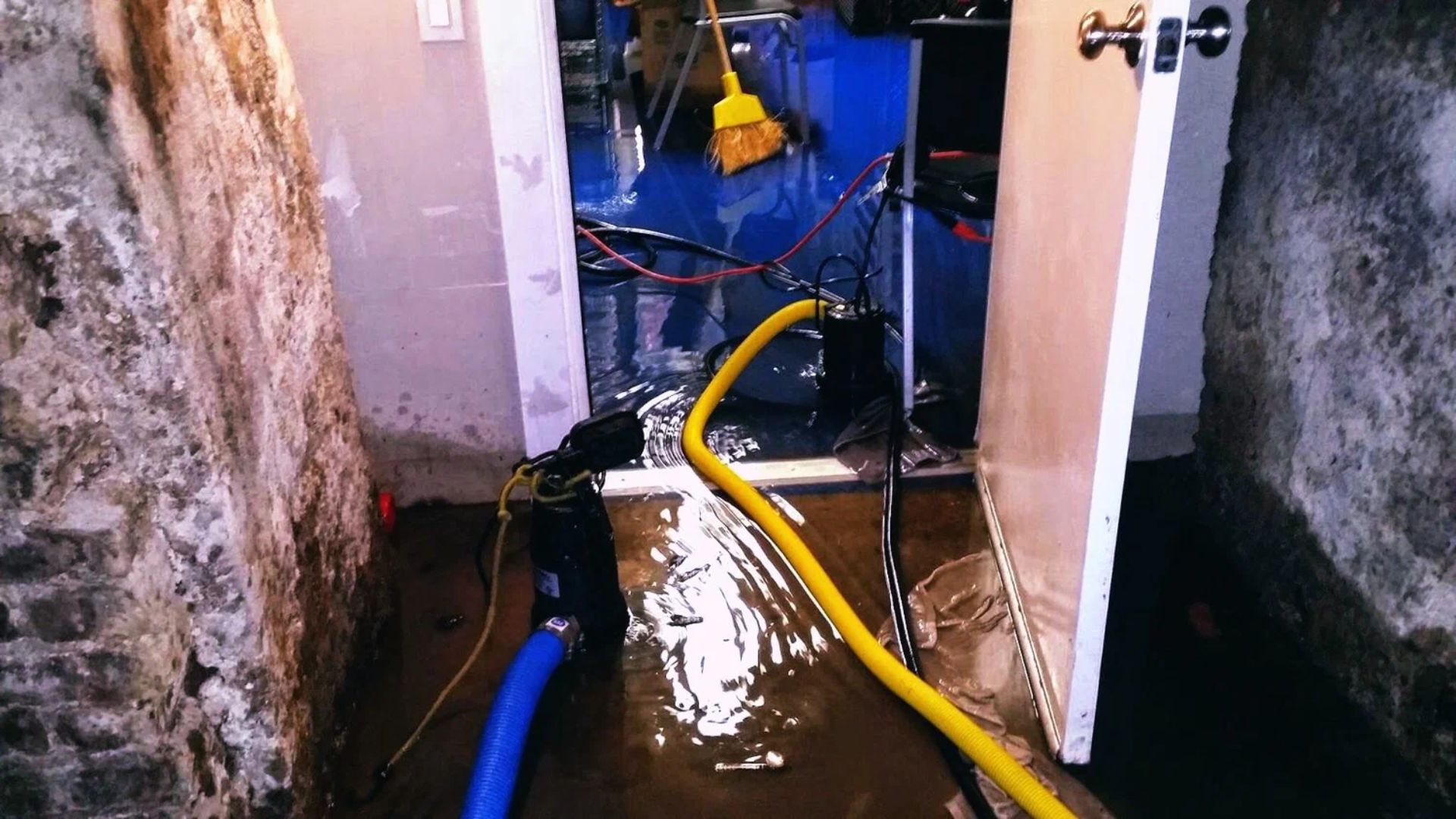
Homeowners must immediately prioritize safety by turning off the main electrical breaker and the water source before calling for professional water damage restoration to mitigate structural loss. In coastal environments like the Monterey Peninsula, the high humidity can accelerate secondary damage such as mold growth and wood rot within 24 to 48 hours. Once the area is safe, you should document all affected belongings with photographs for insurance purposes and avoid walking on wet carpets to prevent spreading contaminants. Quick action is the most significant factor in whether building materials can be dried in place or if they will require expensive demolition and replacement.
How do you treat water damage in a house?
You treat water damage by following a strict protocol of extraction, evaporation, and dehumidification to return materials to their dry standard. For residents living near Del Monte Beach or the downtown business district, salt air can make the drying process more complex, requiring specialized equipment to pull moisture from deep within porous surfaces. Professional teams use high-volume extractors to remove standing water, followed by industrial air movers that create a vortex of airflow to encourage rapid evaporation.
Thermal imaging cameras are often used to find moisture trapped behind baseboards or inside wall cavities that isn’t visible to the naked eye. It is highly recommended that you get a professional estimate to ensure that hidden pockets of moisture do not lead to long term structural decay or hazardous mold colonies.
Water Damage Restoration Monterey
The process of water damage restoration monterey involves a specialized scientific approach known as psychrometrics, which is the study of air and water vapor. In Monterey, where the marine layer often keeps outdoor humidity high, simply opening windows will not dry a home; in fact, it can often make the situation worse by introducing more moist air. Local experts use LGR (Low Grain Refrigerant) dehumidifiers that can pull moisture from the air even in the cool, damp conditions common in neighborhoods like Pacific Grove or Carmel-by-the-Sea.
Once the bulk water is removed, the focus shifts to structural drying. This involves monitoring the moisture content of wood studs, subfloors, and drywall daily. By tracking these levels, restoration technicians ensure that the home is truly dry before any repairs or reconstruction begin, which prevents the “trapping” of moisture behind new paint or flooring.
If you are dealing with a sudden pipe burst or storm intrusion, you should schedule a detailed inspection to determine the category of water and the necessary level of sanitization required for your specific property.
Common Sources of Water Intrusion in Monterey
- Coastal Storm Surges: High tides and heavy winds hitting properties near Cannery Row.
- Aging Infrastructure: Corroded galvanized pipes in historic homes near the Monterey Vista area.
- Sewer Backups: Overloaded municipal systems during heavy rainfall in the downtown districts.
- Appliance Failures: Malfunctioning washing machine hoses or leaking water heaters in residential garages.
How long does it take for water damage to show?
Water damage can show visible signs in as little as an hour, starting with the swelling of particle board furniture or the staining of ceiling tiles. Within 24 hours, drywall begins to lose its structural integrity and “wick” water upward, while mold spores can begin to germinate in the damp, dark spaces behind cabinets. By the 48-hour mark, musty odors become prominent, and hardwood floors may begin to “cup” or “buckle” as they absorb moisture from the subfloor.
What are the risks of delayed water damage cleanup Monterey CA?
Delaying water damage cleanup Monterey CA significantly increases the risk of permanent structural failure and health hazards from black mold. Because Monterey has a naturally temperate climate, it provides the perfect breeding ground for fungal growth if a home is left damp for more than a few days. Furthermore, water can seep into electrical conduits, creating fire hazards or damaging expensive home electronics and appliances located in basements or crawlspaces.
If you notice a musty smell or see discolored patches on your ceiling near the Presidio area, you should request a free consultation immediately to stop the spread of moisture before it reaches your home’s foundation.
Should I call a plumber or water restoration first?
You should call a plumber first to stop the source of the leak, but you must contact a water removal services Monterey specialist immediately afterward to begin the drying process. While a plumber can fix a broken pipe, they do not have the specialized equipment required to extract thousands of gallons of water or the moisture meters needed to verify that your home is dry. Most restoration companies can recommend trusted local plumbers who serve the Monterey Peninsula to help streamline the emergency response.
Comparison of Services
| Service Provider | Role in Emergency | Equipment Used |
| Plumber | Stops the active leak | Pipe wrenches, snakes, soldering tools |
| Restoration Expert | Removes water and dries structure | Extractors, LGR dehumidifiers, air movers |
| Contractor | Rebuilds damaged areas | Saws, drills, painting equipment |
| Insurance Adjuster | Evaluates the financial claim | Moisture sensors, estimating software |
Can you save hardwood floors after they get wet?
Hardwood floors can often be saved if a professional restoration team uses specialized floor drying mats and high-pressure vacuum systems within the first 24 hours. These mats are taped to the floor and use suction to pull moisture out of the wood grain and the subfloor beneath it. In many Monterey homes, especially those with historic oak or douglas fir flooring, this “dry-in-place” method is much more cost-effective and less intrusive than a full floor replacement.
How does emergency water damage restoration Monterey handle high humidity?
A professional emergency water damage restoration Monterey team handles local humidity by creating a “closed drying system” within the affected area. This involves sealing off the wet rooms with plastic tension poles and heavy-duty sheeting to prevent moisture from migrating to dry parts of the house. By concentrating the dehumidification power in one small area, the equipment can work much more efficiently to lower the vapor pressure and pull moisture out of the building materials.
Is mold guaranteed after a flood in Monterey?
Mold is not guaranteed if the drying process is started professionally within 24 to 48 hours of the initial water event. However, if the water is allowed to sit, or if it is “Category 3” black water from a storm or sewer backup, the likelihood of mold growth is extremely high. Experts apply EPA-registered antimicrobials to all affected surfaces during the extraction phase to kill existing spores and inhibit new growth while the drying equipment runs.
What is the difference between clean and contaminated water?
- Category 1 (Clean): Water from a broken supply line or a leaking faucet that poses no immediate health risk.
- Category 2 (Gray): Water from a dishwasher or washing machine that may contain chemical or biological contaminants.
- Category 3 (Black): Highly contaminated water from sewage, seawater, or storm runoff that requires specialized PPE and disposal.
How do you know if a wall is dry inside?
You can only know if a wall is dry by using a moisture meter that measures the electrical conductivity of the material. There are two types: “pin” meters that penetrate the surface to check the inner core of wood or drywall, and “pinless” meters that use electromagnetic signals to scan for moisture behind tiles or wallpaper without causing damage. Professionals near the Fisherman’s Wharf area or Old Monterey use these tools daily to provide “moisture maps” that document the progress of the restoration.
Why shouldn’t I use a regular vacuum to remove water?
You should never use a household vacuum to remove water because it creates a high risk of electrical shock and will likely ruin the vacuum’s motor and filter. Household vacuums are not designed for wet environments and can actually spray fine mists of contaminated water back into the air, worsening the indoor air quality. Only industrial-grade “wet-dry” vacuums and specialized truck-mounted extraction units should be used for water removal.
What should I do with wet furniture?
Move wet furniture to a dry, climate-controlled area immediately, but avoid placing it on a dry carpet as the wood stains can bleed and cause permanent damage. Place aluminum foil or plastic “furniture tabs” under the legs of heavy pieces that cannot be moved to create a barrier between the wet flooring and the furniture. For upholstered items, professional cleaning and high-speed drying are usually required to prevent the interior foam from molding.
FAQs
How long does the drying process take?
The drying process typically takes between 3 to 5 days. Factors such as the type of material (drywall vs. plaster) and the level of humidity in Monterey on that specific day will influence the final timeline.
Does homeowners insurance cover water damage in Monterey?
Most policies cover “sudden and accidental” water damage, such as a burst pipe or a failed appliance. However, damage caused by lack of maintenance or rising groundwater (flooding) usually requires a separate flood insurance policy.
Can I stay in my home during the restoration?
Whether you can stay depends on the extent of the damage and the noise level of the equipment. If the water was contaminated or if the kitchen and bathrooms are out of commission, it is often better to seek temporary housing.
What is a “dry standard”?
A dry standard is a reading taken from an unaffected part of the home to determine what the normal moisture level should be. The goal of restoration is to bring the damaged areas back to within a few percentage points of this standard.
How much does water restoration cost?
The cost varies based on the amount of water and the class of the intrusion. A small bathroom leak might cost a few thousand dollars, while a whole-house flood from a storm can be significantly more, depending on the materials affected.
Conclusion
Recovering from water intrusion requires a balance of immediate homeowner action and professional expertise. By understanding the science behind the drying process and the unique coastal challenges of our region, you can protect your property from long-term value loss. Whether you are dealing with a small leak in the Del Monte Forest or a major flood near the wharf, acting fast is the only way to ensure your home remains a safe and healthy environment. For those facing these challenges, Division Construction stands as a trusted local service provider in the Monterey area. We pride ourselves on being a reliable solution to the problems discussed, offering the technical skill and local knowledge needed to restore your home to its pre-loss condition after any water-related emergency.

0 comments