
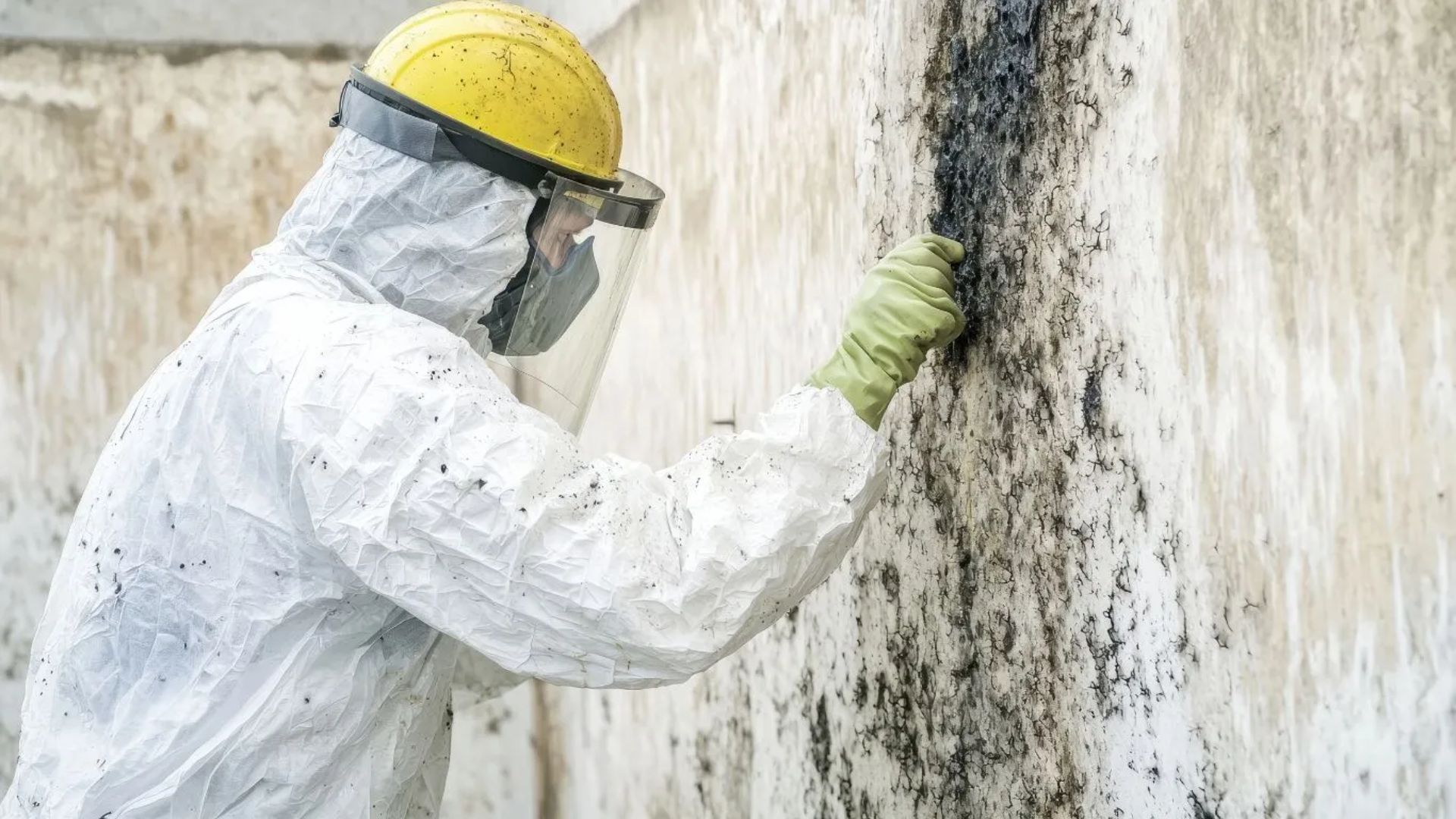
Recognizing the early warning signs of a fungal infestation is the first step in protecting your property from structural decay and your family from respiratory distress. Many residents in the hillside communities of Los Angeles mistake the faint smell of dampness or minor wall discoloration for normal aging, but these are often the primary indicators that you require mold remediation in monterey hills. Because the geography of this neighborhood promotes unique moisture patterns, understanding how mold manifests in local architecture is essential for early detection. If you have noticed fuzzy patches on surfaces or a persistent, earthy scent in your living areas, you are likely dealing with an active mold colony that needs professional attention.
How do you know if you have mold in your house?
You can identify mold in your house by looking for physical discoloration, detecting persistent musty odors, and monitoring for sudden health changes among residents. Mold often appears as soot-like black spots, green fuzzy patches, or even white powdery filaments on organic materials like drywall, wood, and upholstery. However, since mold frequently grows in hidden areas like crawlspaces or behind insulation, the “sniff test” is often your most reliable initial tool for detection.
In the diverse housing stock of Northeast Los Angeles, from mid-century builds to modern hillside complexes, moisture can hide in structural voids. If you suspect an issue, you can request a free quote to have a specialist perform a non-invasive moisture check. Early identification prevents the expansion of the colony and keeps remediation costs manageable.
What are the most common visible signs of mold in homes?
The most frequent visible signs of mold in homes include dark spotting on ceilings, stained baseboards, and “bubbling” or peeling paint. These visual cues indicate that moisture is either sitting on the surface or is trapped within the wall material itself. It is a common mistake to simply paint over these spots; doing so only masks the problem while allowing the mold to continue digesting the gypsum or wood underneath.
- Black or Dark Green Spots: Often found in corners of showers or near window sills where condensation collects.
- White or Grey Powder: Sometimes mistaken for dust, this is often “efflorescence” or early-stage mold growth on masonry and brick.
- Warped Surfaces: Drywall that feels soft to the touch or baseboards that have pulled away from the wall often hide significant growth.
- Velvety or Fuzzy Textures: High-growth colonies often develop a 3D texture as they release spores into the air.
When these signs appear, it is critical to consult with certified mold remediation experts who can determine the depth of the infestation. If you are seeing these patterns in your kitchen or laundry room, getting a free quote for a professional assessment is the safest next step.
What causes persistent musty odors indoors?
Persistent musty odors are caused by the release of microbial volatile organic compounds (mVOCs) as mold colonies actively grow and digest organic matter. These gases have a distinct, heavy scent often described as “wet socks,” “rotting wood,” or an “earthy” smell. If an odor remains even after deep cleaning and ventilating a room, the source is likely a hidden mold colony within the walls, flooring, or HVAC system.
Residents living near damp landmarks like the Arroyo Seco or Ernest E. Debs Regional Park may find that outdoor humidity exacerbates these indoor smells. To eliminate the odor at its source, you can secure a free quote for a deep-cleaning and sanitization plan tailored to your home’s layout.
What are the symptoms of black mold exposure?
The symptoms of black mold exposure typically include chronic sneezing, red or itchy eyes, and persistent skin rashes that do not respond to standard treatments. For individuals with compromised immune systems or pre-existing respiratory conditions like asthma, the symptoms can escalate into shortness of breath and severe fatigue. Because these symptoms often mimic seasonal allergies, many Monterey Hills residents ignore them until the mold problem becomes severe.
- Respiratory Distress: Increased coughing or wheezing, especially at night.
- Neurological Impact: Some report “brain fog” or chronic headaches when spending long periods in affected rooms.
- Skin Irritation: Eczema-like flare-ups or hives can occur upon contact with moldy surfaces or high spore concentrations.
How does the Monterey Hills environment trigger mold growth?
The unique geography of Monterey Hills creates a microclimate that is highly conducive to moisture accumulation. The neighborhood sits at an elevation that often traps morning fog, leading to high humidity levels that settle against the cool exterior walls of hillside homes. When this external moisture meets the warmth of a home’s interior, condensation forms within wall cavities, creating the perfect environment for fungi.
Neighborhoods like El Sereno and areas bordering South Pasadena share these hillside drainage challenges. When rain falls, water travels down the slopes, often putting hydrostatic pressure on foundations. Landscaping near landmarks like Ascot Hills Park can also contribute if irrigation systems are placed too close to the home’s perimeter. Effective mold remediation in Monterey hills must account for these geographical stressors to ensure the moisture problem is solved permanently.
Can mold be invisible to the naked eye?
Yes, mold can be entirely invisible if it is growing in wall voids, under floorboards, or inside ventilation ducts. In these cases, air quality testing is the only definitive way to prove a mold presence. High concentrations of spores in the air can exist even in a room that looks perfectly clean and renovated.
Professional indoor air quality testing services use specialized pumps to pull air through a cassette, which is then analyzed under a microscope in a laboratory. This process identifies exactly which species are present and at what concentrations. If your family is experiencing health issues but your home looks fine, securing a free quote for an air audit is a proactive way to protect your household.
| Sign of Mold | Likely Location | Recommended Action |
| Musty Smell | HVAC ducts, carpets, or wall voids | Air quality testing and duct inspection |
| Peeling Paint | Bathrooms and kitchens | Check for hidden plumbing leaks |
| Black Spotting | Window frames and attic rafters | Improve ventilation and seal leaks |
| Condensation | Glass windows and metal pipes | Install a dehumidifier |
| Soft Drywall | Behind appliances or near baseboards | Immediate moisture mapping and repair |
Why is mold remediation in Monterey hills important for property value?
Maintaining a mold-free environment is essential for preserving the financial value of your real estate investment. Mold damage is a “red flag” during home inspections and can significantly delay or even cancel a property sale. In the competitive Los Angeles real estate market, a history of professional remediation with a clearance certificate can actually be a selling point, as it proves the home has been properly maintained.
Furthermore, ignoring mold allows it to structurally compromise your home. Fungi eat the cellulose found in drywall and wood, which can lead to sagging ceilings and weakened floor joists. Addressing the problem through mold remediation in Monterey hills ensures that your home remains structurally sound and marketable for years to come.
How do professionals distinguish between dirt and mold?
Professionals distinguish between dirt and mold using “tape lift” samples and antimicrobial testing. Dirt is inorganic and does not spread; mold is a living organism that will expand and change color over time. Technicians often use a simple swab test that reacts to the presence of proteins found only in living fungi.
If you are unsure whether the dark marks in your garage or basement are just Los Angeles soot or an active colony, a specialist can provide a definitive answer. You can request a free quote to have these suspicious areas tested so you don’t waste money cleaning something that isn’t mold, or worse, ignore something that is.
The Role of Ventilation in Preventing Mold Recurrence
Proper airflow is the enemy of mold. In many Monterey Hills homes, bathrooms and kitchens lack adequate exhaust fans, or the existing fans are not vented to the outside. This traps steam and cooking vapors, which eventually settle on surfaces and provide the moisture mold needs to sprout.
Ensuring your attic has proper ridge vents and your crawlspace has functioning vapor barriers are key steps in a long-term prevention strategy. If your home feels “stuffy” or humid even during the dry summer months, it may be time to evaluate your ventilation system’s efficiency.
Critical Prevention Steps for Local Homeowners
- Clean Gutters: Ensure water from the roof is directed away from the hillside foundation.
- Check Window Seals: The fog in the hills can penetrate old or cracked caulking.
- Monitor Humidity: Keep indoor humidity levels between 30% and 50% using a hygrometer.
- Inspect Pipes: Regularly check under sinks in older Northeast LA homes for slow “pinhole” leaks.
Frequently Asked Questions
What is the first thing I should do if I see mold?
The first step is to identify and stop the water source. Mold cannot grow without moisture. Once the leak or humidity is controlled, avoid touching or scrubbing the mold, as this can release millions of spores into the air. Instead, contact a professional to contain the area.
Is it safe to use bleach to kill mold?
Bleach is generally not recommended for porous surfaces like drywall or wood. While it may kill the surface mold, the water in the bleach can soak into the material and actually feed the roots of the mold that remain deep inside, leading to a faster recurrence.
How long does it take for mold to grow after a leak?
Under ideal conditions, mold can begin to grow in as little as 24 to 48 hours. This is why it is vital to dry out any flooded or damp areas in your home immediately using high-powered fans and dehumidifiers.
Can I stay in my house during mold remediation?
It depends on the size of the project. For small, contained areas, you can usually stay in the home. However, if the remediation involves the HVAC system or multiple rooms, it may be safer to relocate temporarily to avoid exposure to disturbed spores.
Does homeowners insurance pay for mold cleanup?
Insurance typically covers mold remediation if the growth was caused by a sudden, covered event like a pipe burst. It rarely covers mold caused by long-term maintenance issues, high humidity, or seepage from the ground.
Conclusion
Identifying the common signs of mold is an essential skill for any resident of Northeast Los Angeles. From the visible spotting on drywall to the subtle symptoms of black mold exposure, staying alert to these changes allows you to take action before the problem becomes a major financial burden. The geographical challenges of the region, including the humidity from the nearby Arroyo Seco and the drainage issues of hillside properties, mean that moisture management is a constant responsibility. Engaging in timely mold remediation in Monterey hills is the most effective way to protect your family’s health and your property’s structural integrity.
When you suspect that your home’s air quality or structure is at risk, Division Painting is your local partner for expert restoration. As a trusted local service provider, Division Painting understands the unique architectural needs of our community, from Huntington Drive to the heights of the hills. We are dedicated to providing clear, effective solutions that restore your home to a healthy, beautiful state.

0 comments