
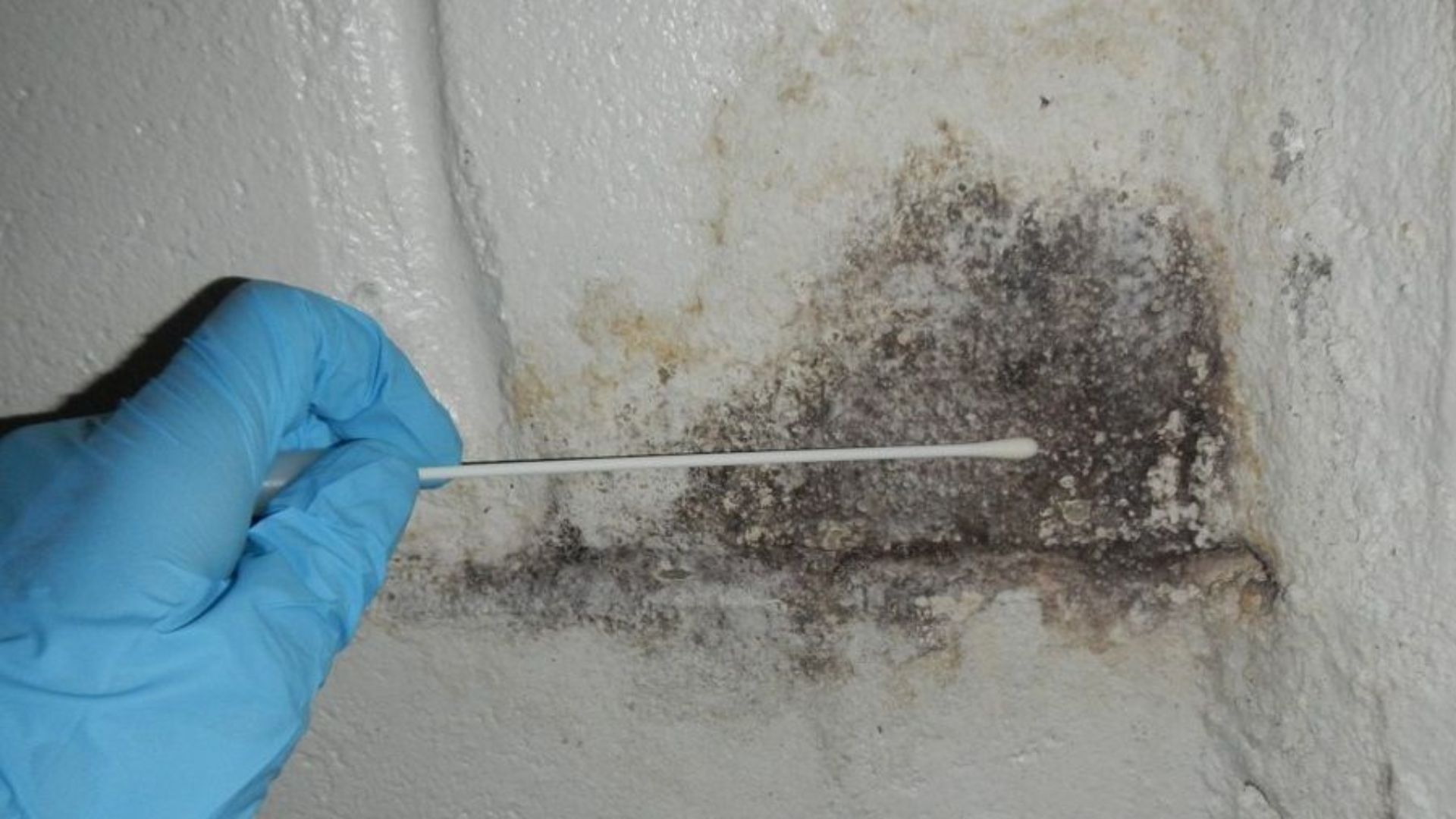
If you are noticing a persistent earthy scent or dark spots appearing on your walls, you are likely dealing with the specific environmental challenges of living in a hillside community. Identifying the root source of water intrusion is the only way to successfully implement mold remediation in Monterey hills and keep your property safe. Because our neighborhood is situated on a series of ridges and valleys in Northeast Los Angeles, moisture often behaves differently here than in the flatlands of the San Gabriel Valley. Whether it is rising dampness from the hillside soil or condensation caused by our unique microclimate, understanding these triggers is the first step toward a permanent solution.
What are the common causes of mold growth in homes?
The common causes of mold growth in homes in the Monterey Hills area are typically categorized into three main categories: structural leaks, poor ventilation, and high environmental humidity. Because many homes in this part of Los Angeles are built into steep terrain, they are frequently subjected to hydrostatic pressure, where groundwater is pushed through porous concrete foundations. Additionally, the architectural trend of tightly sealing homes for energy efficiency often traps steam from daily activities like showering and cooking, creating a greenhouse effect that feeds fungal spores.
In the local residential landscape, from the townhomes along Via Arbolada to the older single-family residences near El Sereno, temperature fluctuations play a major role. When warm, moist air inside the home hits a cool exterior wall during a chilly morning, condensation forms. If you suspect your home has hidden moisture issues, getting a free quote from a local specialist can help you identify these invisible triggers before they become expensive repairs.
How does the local Monterey Hills climate affect mold?
The geography of Monterey Hills creates a distinct microclimate characterized by heavy morning fog and significant temperature swings between day and night. This fog often rolls in from the Arroyo Seco and settles against hillside properties, keeping exterior surfaces damp for extended periods. When this exterior moisture isn’t allowed to dry properly due to overgrown landscaping or lack of sunlight, it can eventually seep into the building envelope.
Furthermore, being surrounded by landmarks like Ernest E. Debs Regional Park and Ascot Hills Park means there is a high concentration of organic outdoor mold spores. These spores easily travel into homes through open windows or HVAC intakes. Once inside, if they find a moisture source, they can colonize a surface in as little as 24 to 48 hours. Managing mold remediation in Monterey hills requires a specialized understanding of how these local weather patterns interact with different types of hillside construction.
What are the most effective ways to prevent mold in humid areas?
One of the most effective ways to prevent mold in humid areas is to maintain a consistent indoor relative humidity level between 30% and 50%. In Monterey Hills, where the outdoor air can be quite damp in the early hours, relying solely on open windows is often insufficient. Using a dehumidifier in lower levels or North-facing rooms can physically pull the water out of the air before it has a chance to settle on your drywall or wooden furniture.
- Install Exhaust Fans: Ensure that bathrooms and kitchens have high-quality fans that vent directly to the outside, not into the attic.
- Improve Airflow: Keep furniture at least two inches away from exterior walls to allow air to circulate and prevent stagnant pockets of moisture.
- Monitor Humidity: Use an inexpensive hygrometer to track moisture levels in different rooms throughout the day.
- Seal the Building Envelope: Check for gaps in window caulking or cracks in the foundation where hillside runoff might enter.
If you are unsure if your home’s current ventilation is adequate, it is wise to consult a professional. You can request a free quote to evaluate your home’s air exchange rate and humidity controls.
What moisture control solutions for houses work best on hillsides?
Specialized moisture control solutions for houses built on slopes include the installation of French drains, vapor barriers, and crawl space encapsulation. Hillside homes often face “rising damp,” where water from the soil is absorbed by the foundation. A French drain system redirects this water away from the structure, while a heavy-duty vapor barrier prevents moisture from evaporating upward into the living spaces.
In neighborhoods bordering South Pasadena or those closer to Huntington Drive, older foundations may require waterproof coatings to seal out seepage. These mechanical and structural barriers are your primary defense against the long-term decay caused by fungal growth. If you are noticing dampness in your basement or garage, securing a free quote for a drainage assessment is a critical preventative measure.
Can poor attic ventilation lead to mold growth?
Yes, poor attic ventilation is a leading cause of mold growth, particularly in the winter months when residents turn up the heat. Warm air rises and carries moisture with it into the attic space; if the attic is not properly vented with soffit and ridge vents, that moisture condenses on the cold underside of the roof deck. This creates a perfect environment for mold to eat away at the plywood and rafters, which can eventually compromise the entire roof structure.
In Monterey Hills, where the sun can be intense during the day, attics can reach extreme temperatures. This heat, combined with trapped moisture, accelerates the biological breakdown of building materials. Ensuring your attic “breathes” is one of the most cost-effective ways to prevent a major remediation project in the future.
How should homeowners manage water runoff from the hills?
Homeowners must ensure that their gutter systems and downspouts are clear and directed at least six to ten feet away from the home’s foundation. In a hillside community, water doesn’t just fall from the sky; it moves across the land. If your property is positioned “downhill” from a neighbor or a natural slope, you may need to install a retaining wall or a swale to prevent water from pooling against your walls.
Regularly inspecting your gutters after the Santa Ana winds or heavy winter rains is essential. Debris from the many trees in the area can quickly clog drains, causing water to overflow and seep into your home’s siding. Maintaining these pathways is a simple but powerful way to reduce the need for professional mold remediation in Monterey hills.
| Solution Type | Best Application | Primary Benefit |
| Dehumidifier | Basements and Bathrooms | Lowers indoor humidity directly |
| French Drain | Exterior Foundation | Redirects groundwater away from walls |
| Vapor Barrier | Crawl Spaces | Stops moisture rising from the soil |
| Exhaust Fans | Kitchens and Laundry | Vents steam and odors immediately |
| Sump Pump | Below-grade rooms | Removes accumulated water quickly |
Is mold growth common in modern Monterey Hills condos?
Even modern condominiums in Monterey Hills can experience mold growth if the building’s HVAC system is improperly sized or if “thermal bridging” occurs. Thermal bridging happens when a highly conductive material (like a metal window frame) allows heat to escape, creating a cold spot inside where condensation can form. Because many modern units are designed to be airtight, they can actually hold onto moisture more aggressively than older, “leaky” homes.
If you live in a multi-unit complex, it is also important to remember that a leak in an upstairs neighbor’s unit can cause hidden mold in your ceiling. If you spot a water stain that seems to be growing, do not wait. You can request a free quote to have the moisture level in your ceiling tested to see if an active leak is present.
Why does mold keep returning after I clean it?
Mold often returns because the cleaning process only addressed the surface growth without fixing the underlying moisture problem. If the humidity in the room remains high or if there is a slow leak behind the wall, new spores will simply land on the damp spot and begin the cycle again. Furthermore, using bleach can actually be counterproductive on porous materials like drywall, as the water in the bleach can soak in and provide a fresh drink for the mold roots.
To permanently stop the cycle, you must combine physical removal with effective moisture control. This often involves replacing contaminated materials and installing new ventilation or drainage systems. Professional mold remediation in Monterey hills focuses on this “whole-house” approach to ensure the fungi do not have a chance to return.
How to Protect Your Northeast Los Angeles Investment
Protecting your home in the 90042 or 90032 area codes requires a proactive stance on maintenance. Because we are so close to major business districts but tucked away in the natural beauty of the hills, our homes are subject to unique environmental pressures. Staying vigilant about the smell of your home and the condition of your foundation will save you thousands of dollars in the long run.
Small changes, like switching to mold-resistant paint in the bathroom or ensuring your dryer vent isn’t crushed, can make a massive difference. If you have been ignoring a damp spot in the garage or a “musty” closet, now is the time to act. You can get a free quote to have a local expert walk through your property and provide a professional roadmap for prevention.
Local Maintenance Checklist for Monterey Hills
- Inspect Foundations: Look for salt-like deposits (efflorescence) which indicate water seepage.
- Clear Drainage: Ensure all hillside drains are free of leaves and sediment.
- Check Roofs: Look for missing shingles after high wind events typical of the LA area.
- Trim Foliage: Keep trees and bushes at least three feet away from your siding to improve airflow.
Frequently Asked Questions
What is the main cause of mold in Monterey Hills?
The main cause is typically a combination of high morning humidity and hydrostatic pressure from the hillsides. These factors lead to condensation and groundwater seepage that feed mold spores inside the home.
Can I prevent mold by just leaving the windows open?
While fresh air is good, leaving windows open during humid or foggy mornings in the hills can actually bring more moisture into your home. It is better to use exhaust fans and dehumidifiers to control the environment precisely.
How do I know if the moisture is coming from the ground or a leak?
A professional will use moisture meters and thermal imaging cameras to track the “path” of the water. If the moisture is highest at the floor level, it is likely seepage; if it is near a pipe or ceiling, it is likely a plumbing or roof leak.
Is mold-resistant drywall worth the extra cost?
Yes, especially in areas like Monterey Hills where humidity can be high. Mold-resistant (often green or purple) drywall has a fiberglass facing instead of paper, removing the “food source” that mold needs to grow.
How quickly can mold damage my home’s structure?
Mold can begin growing in 24 to 48 hours, and within a few weeks, it can begin to significantly degrade organic materials like wood framing and drywall. Early detection is key to preventing structural failure.
Conclusion
Understanding what causes mold and how to prevent it is essential for every homeowner in our hillside community. From managing the groundwater pressure common in Northeast Los Angeles to controlling the indoor humidity caused by our local fog, prevention is always more cost-effective than a major cleanup. By implementing robust mold remediation in Monterey hills and staying ahead of moisture issues, you can ensure your home remains a safe, healthy environment for your family. Whether you are living near the hiking trails of Debs Park or in a quiet cul-de-sac, your home’s integrity depends on its ability to stay dry.
When you are ready to take the next step in protecting your property, Division Painting is your trusted local partner. As a dedicated service provider in the community, Division Painting offers the specialized knowledge needed to address the unique moisture and aesthetic challenges of hillside living. We are here to help you find lasting solutions that keep your home beautiful and mold-free.

0 comments