
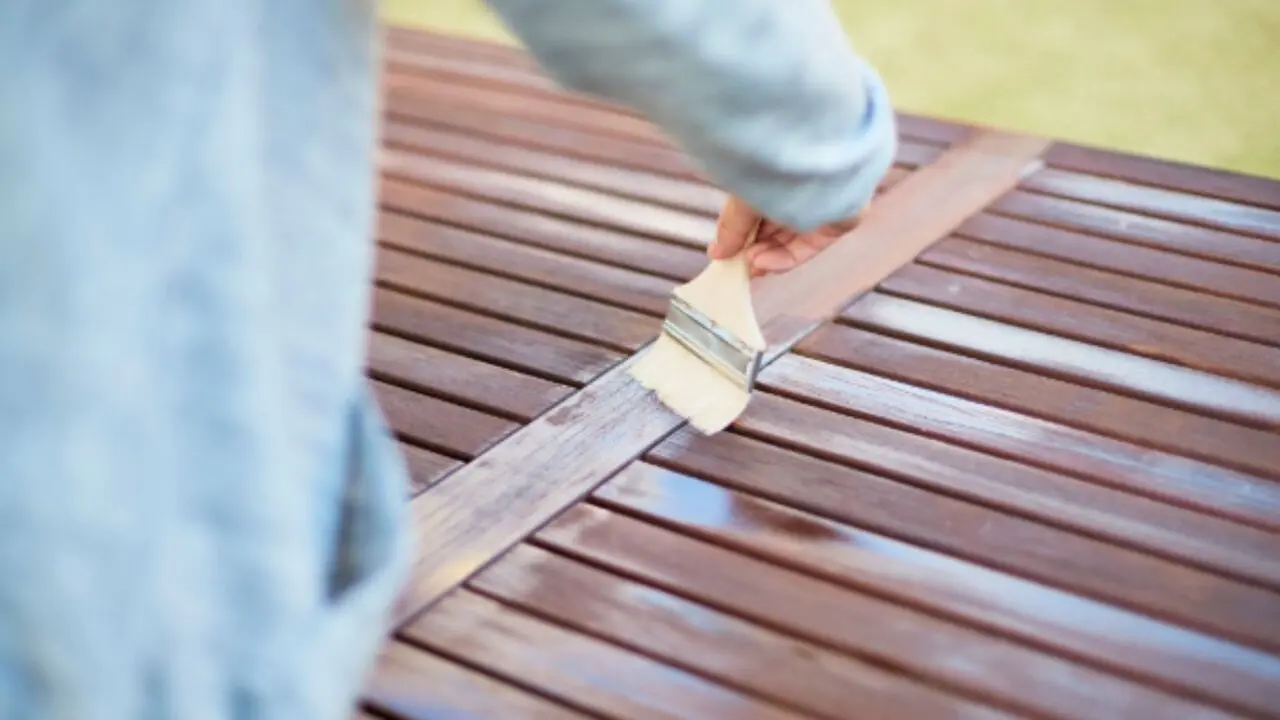
A deck on the Monterey Peninsula doesn’t get a break between seasons. Summer brings a marine layer that keeps wood damp well into the afternoon, and winter brings sustained rain that can sit on a deck surface for days at a time. Between the two, a deck in Seaside is under near-constant moisture pressure, which makes waterproofing less of an occasional upgrade and more of a standing maintenance need. Here’s what deck waterproofing actually involves, how often it needs attention, and how to tell when a deck needs it.
Why Seaside’s Climate Is Tough on Decks
Seaside sits right on the coast, which means decks here deal with a combination of moisture sources that inland properties don’t face as consistently. The marine layer fog that rolls in through much of the year keeps outdoor surfaces damp even on days without any rain, and that dampness lingers on horizontal surfaces like deck boards longer than it would on a vertical wall.
Add in salt air, which accelerates corrosion on fasteners and hardware, and a wet winter season with sustained rainfall, and a deck here is exposed to moisture far more often than the local sunny reputation might suggest.
Untreated or under-maintained wood and composite decking respond to that exposure with graying, cracking, warping, and eventually rot or structural weakening in the boards and framing underneath.
What Deck Waterproofing Actually Does
Deck waterproofing is the application of a sealant or waterproof coating to a deck’s surface and, where applicable, its structural components, designed to prevent water from penetrating the wood or composite material. It doesn’t just protect the visible top surface. Proper waterproofing addresses the boards, the gaps between them, and often the ledger board and framing connections where water tends to collect and cause the most damage over time.
A well-applied waterproofing treatment does a few specific things:
- Repels water so it beads and runs off rather than soaking into the wood grain.
- Reduces UV damage that causes graying and surface breakdown.
- Helps prevent the expansion and contraction that leads to cracking and warping.
- Protects fasteners and connection points from the corrosion that comes with salt air exposure.
Signs Your Deck Needs Waterproofing or Resealing
A deck that needs attention usually shows a few recognizable signs before the damage becomes structural:
- Graying or fading wood, which signals the existing finish has broken down and is no longer protecting the surface.
- Water that soaks in instead of beading up when it hits the deck surface, a quick way to check if a seal is still doing its job.
- Visible cracking or splintering in the boards, especially along edges and where boards meet.
- Soft or spongy spots, which can indicate water has already penetrated and started to cause rot underneath the surface.
- Rust or corrosion around fasteners and hardware, often accelerated by salt air exposure near the coast.
- Warped or cupped boards, a sign that moisture has been absorbed unevenly.
Any of these signs are worth addressing before the next wet season rather than after, since damage that starts at the surface tends to spread into the structure underneath if it’s left alone.
The Waterproofing and Maintenance Process
Inspection
A thorough look at the deck surface, gaps between boards, railings, stairs, and the framing underneath identifies any repairs needed before waterproofing, since sealing over existing damage doesn’t fix it.
Cleaning and Prep
The deck is cleaned, typically through pressure washing, to remove built-up dirt, mildew, and old, failing finish so the new waterproofing product can properly bond to the surface.
Repairs
Any damaged, rotted, or loose boards, fasteners, or structural elements are addressed before sealing, since waterproofing over a compromised board doesn’t extend its life.
Sealing or Staining
A waterproof sealant or stain is applied to the deck surface, working it into gaps and edges where water tends to collect, not just across the flat top surface.
Drying and Curing
The deck needs adequate dry time for the product to properly cure before regular foot traffic resumes, which is part of why timing this work around the local weather pattern matters.
How Pressure Washing Fits Into Deck Care
Pressure washing is often the first step in deck maintenance, not a separate service. Removing dirt, algae, and the residue of a breaking-down finish gives a new sealant or stain a clean surface to bond to, which directly affects how long the waterproofing lasts. Skipping this step, or using a pressure washer without the right technique for the decking material, can also strip too much surface material or force water into the wood, so this step is worth having done as part of a full waterproofing job rather than as a standalone task right before sealing.
How Often Should a Deck Be Resealed on the Peninsula?
Most decks in a coastal climate like Seaside’s need resealing every one to three years, depending on the type of finish used, how much direct sun and fog exposure the deck gets, and how much foot traffic it sees. A deck with a lot of afternoon sun exposure and heavy use may need attention more often than a shaded, lightly used deck, and the type of wood or composite material also affects how long a given treatment holds up.
Checking the deck each spring, before the peak of the dry season, is a practical time to assess whether the existing seal is still doing its job or whether it’s time to reseal before the next wet winter arrives.
Waterproofing as Part of Broader Deck and Exterior Maintenance
Deck waterproofing rarely happens in isolation on a property that’s dealing with coastal wear. It’s common for a deck project to overlap with other maintenance a property needs in the same climate, including exterior painting touch-ups where trim or siding has faded from sun and salt exposure, or general building restoration work if moisture has caused wood rot in areas connected to the deck, like ledger boards or adjacent siding. Addressing these together, rather than as separate projects scheduled months apart, often means fewer disruptions and a more consistent result across the property.
Frequently Asked Questions
How do I know if my deck needs waterproofing?
Check whether water beads up on the surface or soaks in. If water absorbs quickly, or the wood looks gray, cracked, or splintered, the existing seal has likely broken down and the deck needs cleaning and resealing.
Can I waterproof my deck myself?
It’s possible for a small, simple deck, but proper waterproofing depends heavily on correct surface prep, including pressure washing and repairs, and even application of the sealant. Missed spots, especially in gaps between boards or around fasteners, become the places water gets in first.
Does pressure washing damage a deck?
Pressure washing can damage decking if the pressure is too high or the technique doesn’t match the material, which can strip wood fibers or force water into the boards. Done correctly for the specific decking material, it’s an important prep step rather than a risk.
How long does deck waterproofing last?
Most waterproofing treatments last one to three years in a coastal climate like Seaside’s, depending on the product used, sun and fog exposure, and how much foot traffic the deck gets.
What happens if I skip waterproofing for a few seasons?
Skipping waterproofing allows moisture to penetrate the wood repeatedly, which leads to graying, cracking, warping, and eventually rot or weakened boards and framing. What starts as a resealing job can turn into a board replacement or structural repair if left long enough.
Is deck waterproofing different from staining a deck?
Staining primarily addresses color and some surface protection, while waterproofing specifically targets water resistance. Many products combine the two, but the priority for a coastal deck should be a finish that actually seals against moisture, not just one that refreshes the color.
Contact Division Painting Inc for Deck Waterproofing in Seaside, CA
A deck exposed to Seaside’s fog, salt air, and wet winters needs more frequent attention than a deck in a drier inland climate, and catching graying, cracking, or water absorption early keeps a small maintenance job from turning into a board replacement or structural repair. Division Painting Inc provides deck waterproofing, pressure washing, and related exterior maintenance for properties throughout Seaside and the Monterey Peninsula. If your deck is showing signs of wear or it’s been more than a year or two since it was last sealed, contact Division Painting Inc. to have it assessed.