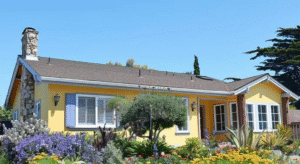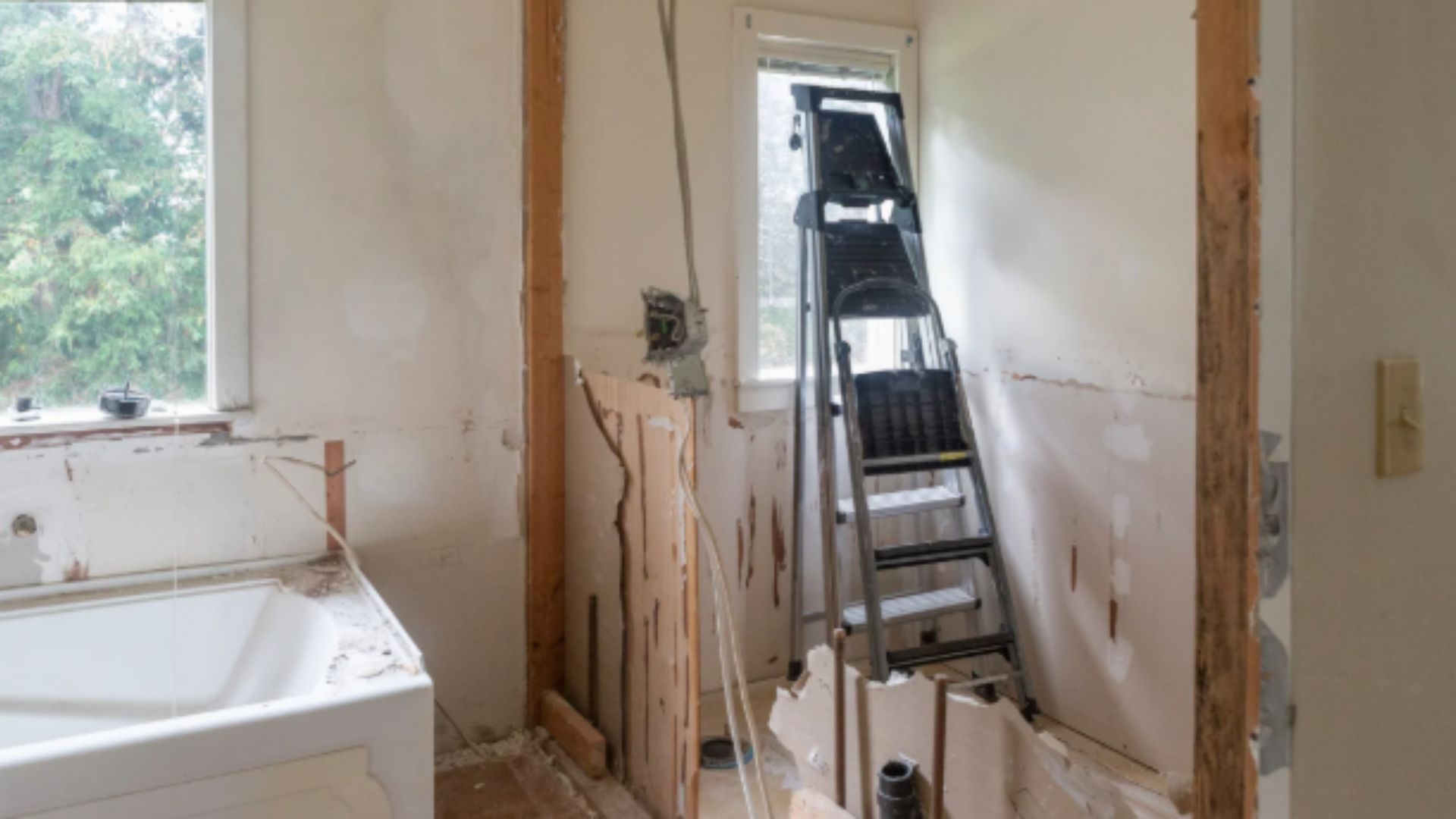
A water leak, storm damage, or years of coastal wear rarely stay a single-trade problem. What starts as a repair job, patching a wall, replacing rotted trim, or resealing a deck, usually ends with paint, because a repaired surface still needs to look finished. In Seaside, where fog, salt air, and winter storms put steady pressure on buildings, Division Painting Inc handles both sides of that process: the building restoration work and the painting that finishes it, on the same project.
Why Restoration and Painting Are Rarely Separate Jobs
It’s common for property owners to think of restoration and painting as two different services handled by two different contractors. In practice, they’re usually the same job in two phases.
A water leak gets mitigated and dried, then the drywall or flooring that was removed needs to be rebuilt, and the rebuilt section needs to be painted to match the rest of the room.
Storm damage tears loose a section of siding or trim, that section gets repaired or replaced, and now there’s a visibly different material that needs paint to blend in.
A deck weathers and starts to gray and crack, boards get replaced or resealed, and the whole structure often needs a fresh coat of stain or paint to look consistent again.
A stucco wall develops cracks from age or moisture, those cracks get patched, and the patched area needs to be repainted so it doesn’t stand out against the rest of the wall.
In every one of these cases, stopping after the repair leaves a visibly unfinished result. Painting is what makes a restored surface actually look restored, not just patched.
What Building Restoration Covers on the Monterey Peninsula
Building restoration is a broad category, and on the Peninsula it tends to cover a specific set of recurring issues tied to the local climate and building stock.
Moisture and Water Damage Repair
Seaside’s marine layer fog and wet winter season create ongoing moisture exposure for exterior walls, roofs, and ground-level structures. Restoration work here often means repairing or rebuilding materials that absorbed water, whether from a plumbing failure inside the building or wind-driven rain finding its way in from outside.
Wood Rot and Trim Repair
Persistent dampness and salt air are hard on exterior wood. Trim, fascia, and siding that stay damp for extended periods are prone to rot, and restoration work often includes replacing affected sections before they spread to surrounding material.
Stucco and Siding Repair
Cracks in stucco or gaps in siding let moisture behind the exterior surface. Restoration includes patching or replacing the damaged material and making sure it’s properly sealed against the next storm season.
Deck and Outdoor Structure Repair
Decks take direct exposure to sun, fog, and rain, and wood or composite decking can weather, warp, or loosen over time. Restoring a deck can involve replacing boards, rescuing railings, and resealing the surface against future moisture.
Waterproofing Vulnerable Areas
Ground-level entry points, decks, and areas prone to standing water benefit from waterproofing measures as part of a restoration project, reducing the chance the same damage shows up again after the next wet season.
The Restoration-to-Repaint Process
When Division Painting Inc takes on a restoration project, painting isn’t an add-on at the end, it’s built into the plan from the start. Here’s generally how a project moves from damage to finished space:
1. Assessment. Identify the extent of the damage, whether it’s water intrusion, storm damage, or general wear, and determine what needs to be repaired versus what’s salvageable.
2. Mitigation, if needed. If water is involved, extraction and drying happen first, since painting or rebuilding over damp materials doesn’t hold.
3. Structural and surface repair. Damaged drywall, trim, siding, stucco, or decking gets repaired or replaced.
4. Surface preparation. Repaired areas are cleaned, sanded, and primed so new paint adheres properly and blends with surrounding surfaces.
5. Painting or staining. The final coat is applied, matched to existing color and sheen where the project involves a partial repair, or as a full new finish for a larger remodel.
Because the same team handles each phase, there’s continuity from the initial assessment through the finished paint job, without the handoffs and scheduling gaps that come from coordinating separate restoration and painting contractors.
When Restoration Turns Into a Remodel
Sometimes a repair project is the right moment to make a broader update. If a wall is already open because of water damage, or an exterior is already being repainted because of storm wear, it’s often a practical time to consider:
Updating interior wall colors or finishes while drywall repairs are already underway
Refreshing an entire exterior color scheme rather than patch-matching an old one
Rebuilding a deck to a new layout instead of a like-for-like repair
Addressing cabinet refinishing or trim updates in a room that’s already being repaired
None of this is necessary for a straightforward repair, but it’s worth considering when a project already has walls open or scaffolding up, since combining the work can be more efficient than doing a remodel as a separate project later.
Why One Contractor for Both Restoration and Painting Makes Sense
Coordinating a restoration contractor and a separate painting contractor means two schedules, two assessments, and often two different opinions about when a surface is actually ready to paint. A contractor handling both:
Confirms materials are fully dry and properly repaired before any paint is applied
Matches new paint to existing finishes without a second company guessing at color or sheen
Reduces the total project timeline by eliminating a second round of scheduling and site visits
Provides one point of contact for the whole project, from initial damage assessment to final walkthrough
For property owners dealing with water damage, storm repair, or general building wear, that continuity often matters as much as the quality of either individual trade.
Frequently Asked Questions
What is building restoration?
Building restoration refers to repairing a structure that’s been damaged, whether by water, storms, or general wear, and returning it to a sound, functional condition. It typically includes structural or surface repairs and, in most cases, finishing work like painting so the repaired area matches the rest of the property.
Do I need a separate painter after restoration work is done?
Not with Division Painting Inc. Restoration and painting are handled as part of the same project, so repaired walls, trim, siding, or decking are primed and painted to match without bringing in a second contractor.
How do I know if my property needs restoration or just cosmetic repair?
If the issue is limited to surface-level wear, like faded paint or minor scuffs, cosmetic repair is usually enough. If there’s water damage, rot, structural cracking, or moisture behind a surface, that points to restoration work that needs to happen before any cosmetic fix will hold.
Can restoration work be combined with a remodel?
Yes. If a repair project already has a wall opened up or scaffolding in place for exterior work, it’s often practical to combine planned updates, like a color change or a deck redesign, with the restoration work rather than scheduling them separately.
How does Seaside’s climate affect building restoration needs?
The marine layer fog, salt air, and wet winter season all contribute to moisture exposure, wood rot, and wear on stucco and siding. Restoration work on the Peninsula often centers on addressing that ongoing moisture exposure, not just one-time storm events.
What should I do first if I notice damage that might need restoration?
Address any active water source first if one is involved, then have the area assessed before attempting a cosmetic fix. Painting or patching over damaged or damp material typically fails quickly and can hide a larger problem underneath.
Contact Division Painting Inc for Building Restoration in Seaside, CA
Whether it’s water damage, storm wear, or a deck and exterior showing their age, Division Painting Inc handles building restoration and painting together for properties across Seaside and the Monterey Peninsula. Contact Division Painting Inc. to have your property assessed and get a plan that covers the repair and the finish in one project.