Water finds its way in fast during a heavy Monterey County storm, whether it is runoff pooling against a foundation or a drain backing up under the kitchen floor. Within a day, carpet is saturated, baseboards are swelling, and a homeowner is left wondering how much of the house can actually be saved.
Flood damage rarely stays contained to the spot where the water first entered. It travels along flooring, wicks up drywall, and settles into places that are not obvious until weeks later, when a musty smell or a soft patch of flooring gives it away. This article covers what happens to a home after flooding, the difference between mitigation and full repair, what homeowners in Seaside should do in the first hours after water intrusion, and how our team approaches the repair process from extraction through rebuild.
How Flooding Affects a Seaside Home
Seaside sits close enough to the coast that heavy rain, storm surge, and poor drainage around older properties can send water into places it was never meant to be, from crawl spaces to first-floor living areas. Once water is inside, it does not just sit there. It gets absorbed into porous materials like drywall, subflooring, and insulation, and the longer it stays, the more those materials break down.
That is part of why flood damage repair is usually a two-stage process. The first stage stops the damage from getting worse. The second stage rebuilds what was lost. Skipping straight to repairs without properly drying the structure first is one of the most common reasons flood damage turns into a mold problem months later.
Water Damage Mitigation: Stopping Further Damage
Mitigation is the immediate response to flooding, focused on limiting how much of the home is affected before restoration work begins.
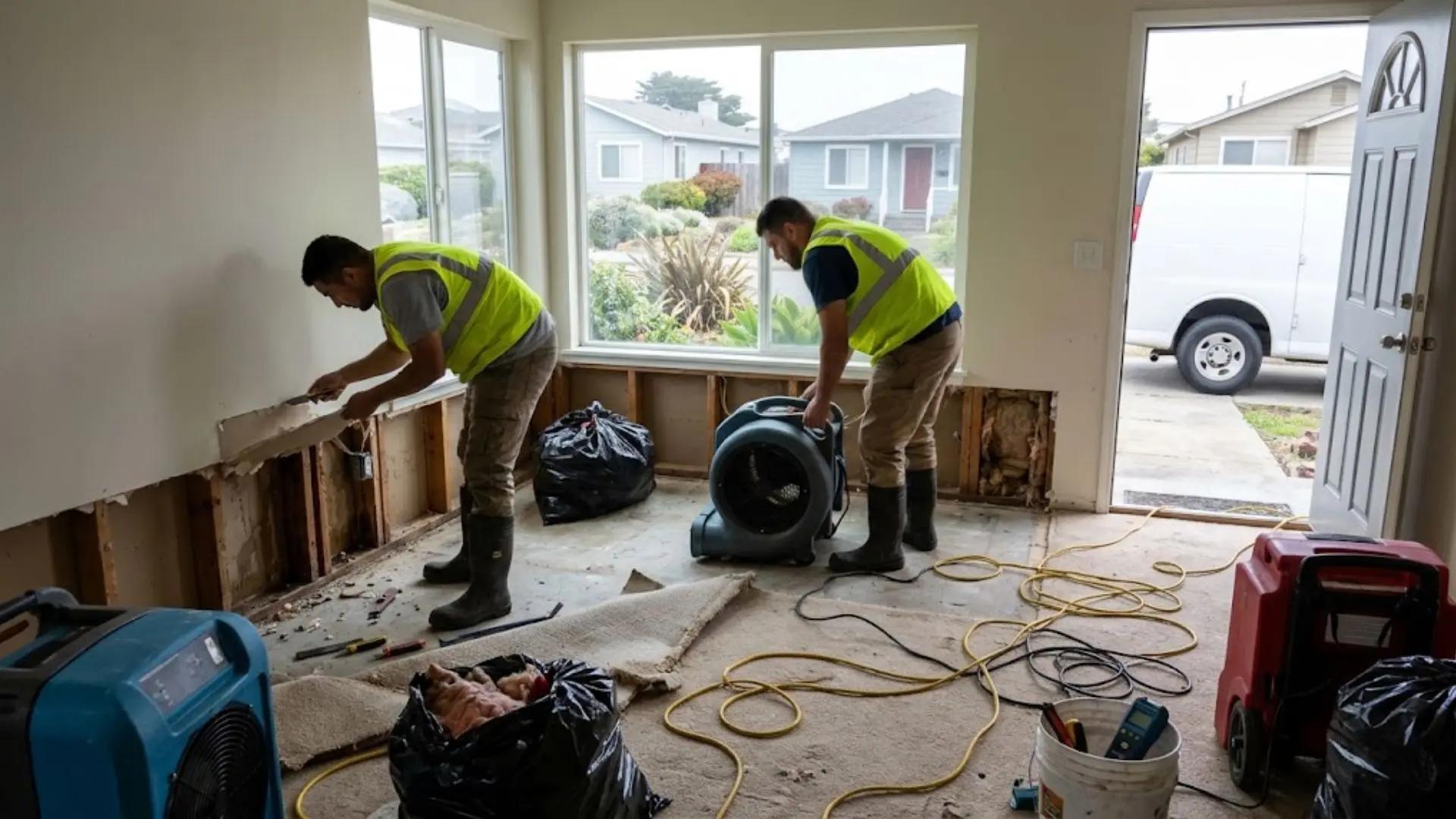
- Removing and disposing of water-damaged items that cannot be salvaged, including carpet, furniture, and drywall
- Sanitizing and cleaning items that can still be saved
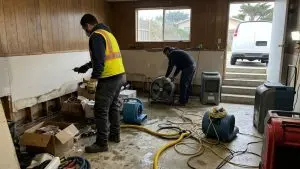
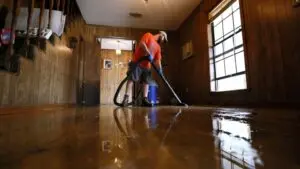
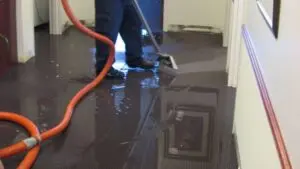
- Using equipment to extract standing water and pull moisture out of the air and structure
- Securing the structure’s stability and protecting openings from further water intrusion
Mitigation is not a permanent fix. It is the step that prevents a bad situation from becoming worse while the property is assessed for full restoration.
Flood Damage Restoration: Rebuilding After the Water Is Gone
Restoration begins once mitigation is complete and the property has been dried and assessed as ready for repair. This is where the home actually gets rebuilt.
- Reconstructing walls and flooring that were damaged beyond saving
- Addressing any mold growth that started during or after the flooding
- Repairing roofing damage that may have contributed to the flooding in the first place
- Testing humidity and moisture levels to confirm the structure is fully dry before finishing work begins
Common Myths About Flood Damage Repair
A few misconceptions tend to cost homeowners time and money after a flood.
- Replacing Is Cheaper Than Restoring: This is not true in most cases. An experienced restoration team can determine which materials need to be replaced and which can still be salvaged, helping homeowners avoid unnecessary expenses.
- Walls and Carpets Will Dry on Their Own: While materials may eventually dry, the process can take days or even weeks. During this time, mold can develop and spread. Delaying proper drying can lead to more extensive and costly damage.
- Only Severe Flooding Requires Professional Help:Even minor water intrusions, such as unnoticed slow leaks, can cause structural damage and mold growth. Seeking professional assessment early can prevent small problems from turning into major repairs.
What to Do in the First Hours After Flooding
The first few hours after discovering flood damage matter more than most homeowners realize.
- Shut off the water source if the flooding is coming from inside the home, such as a burst pipe.
- Move salvageable belongings and furniture out of standing water where it is safe to do so.
- Avoid walking through standing water if there is any risk of electrical hazards.
- Photograph the damage for insurance purposes before cleanup begins.
- Contact a flood damage repair team to begin extraction and drying as soon as possible.
Our Flood Damage Repair Process
We treat flood damage repair as one continuous process rather than two separate jobs, so nothing gets missed between mitigation and restoration.
Our team starts by removing standing water and extracting moisture from flooring, walls, and any belongings that can be saved. From there, we sanitize and clean what can be salvaged, secure the structure, and begin drying the property using equipment suited to the extent of the water intrusion.
Once the space is fully dry, we move into restoration, which can include rebuilding damaged walls and flooring, addressing mold growth, and repairing any roofing issues connected to the flooding. We test humidity and moisture levels before considering the job complete, since finishing work over a structure that is not fully dry is how problems resurface later.
Frequently Asked Questions
How Soon After Flooding Should I Call for Repair?
As soon as possible. Water that sits for even a day or two significantly increases the risk of mold growth and structural damage, so early extraction and drying make a real difference in the outcome.
Will My Flooring and Drywall Need to Be Replaced?
It depends on how long the material was exposed to water and how porous it is. Our assessment during mitigation determines what can be cleaned and dried versus what needs to be removed and rebuilt.
Can Flood Damage Lead to Mold If It Is Not Addressed Quickly?
Yes. Damp materials that are not dried properly within the first couple of days create the conditions mold needs to grow, which is why thorough drying is part of every flood damage job we take on.
What Causes Flooding in Seaside Homes?
Heavy coastal storms, poor drainage around older properties, and plumbing failures are common causes. Homes with crawl spaces or lower-level living areas tend to be more exposed to water intrusion during heavy rain.
Do You Handle Both the Water Removal and the Rebuild?
Yes. Our process covers extraction and drying through to reconstruction, so homeowners are not coordinating between separate mitigation and rebuild contractors.
Final Thoughts on Flood Damage Repair in Seaside, CA
Flood damage gets more expensive and more complicated the longer it sits untreated. The homeowners who come out ahead are usually the ones who acted in the first day or two rather than waiting to see if things dried out on their own. If your Seaside home has taken on water, from a storm, a drainage issue, or a plumbing failure, our team at Division Painting Inc. is set up to move from extraction through full restoration so your home gets back to a livable condition without a lingering mold or moisture problem behind the walls.